
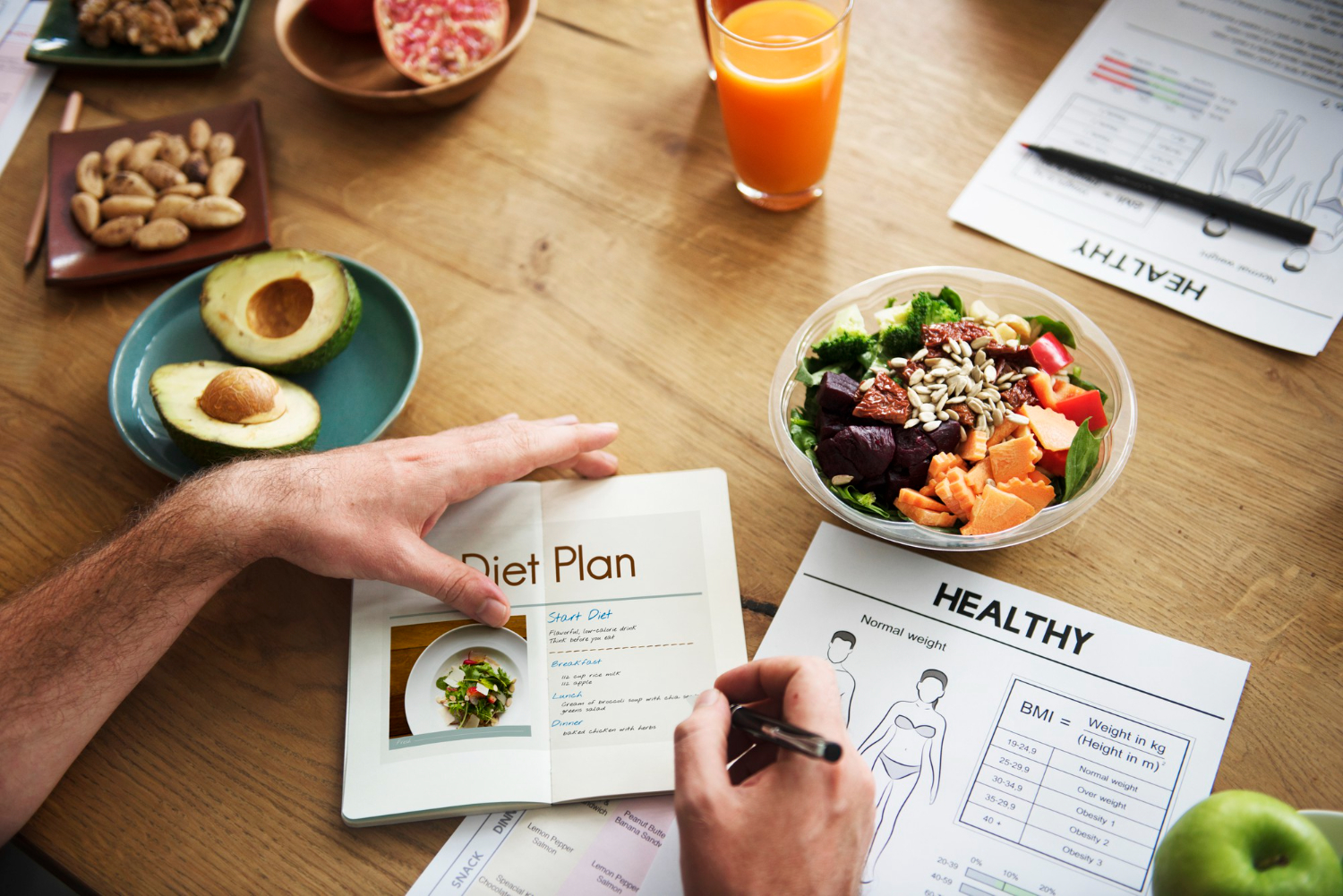
Managing diabetes is about more than simply taking medication. For many people across the UK, the foods they eat each day have a significant impact on blood-sugar levels, energy, weight, and long-term health. While meal planning may sound complicated, it can be an empowering and enjoyable way to take control of your diabetes journey. With the right approach, it becomes easier to maintain stable glucose levels, avoid large highs and lows, and feel more confident about what you put on your plate.
At Diabetes Pharmacy, we understand that successful diabetes care involves a combination of medication, daily habits, and reliable support. This guide is designed to help you build a balanced and practical meal plan that fits into everyday UK life — without feeling restricted or overwhelmed.
Why Meal Planning is Essential for Diabetes Management
Meal planning offers structure, consistency and clarity. When you plan what to eat ahead of time, your body benefits from steadier energy levels and fewer blood-sugar fluctuations. This consistency can prevent unexpected spikes after high-carbohydrate meals and reduce the likelihood of dropping too low between meals.
Many people also find that meal planning helps with weight management, because it reduces the chance of grabbing high-sugar or processed foods in a rush. For those living with type 2 diabetes, maintaining a healthy weight can improve insulin sensitivity and reduce long-term complications. For people with type 1 diabetes, predictable meals make dosing insulin more straightforward and reliable.
Most importantly, a well-planned diet supports your overall wellbeing — from heart health to digestion, sleep and energy. It becomes a foundation for healthier living rather than a strict diet to follow.
What a Balanced Diabetes-Friendly Meal Looks Like
A good diabetes-friendly meal is built around balance. Carbohydrates, proteins, fats and fibre all play important roles — and the quality of those foods matters just as much as the quantity.
Carbohydrates still have a place in a healthy meal plan, but choosing options that digest slowly helps prevent rapid increases in blood sugar. Wholegrain bread, oats, basmati rice, lentils, beans, quinoa and sweet potatoes release glucose gradually, offering longer-lasting energy. Pairing these with lean proteins — such as chicken, turkey, eggs, tofu, beans, or fish — makes meals more satisfying and helps stabilise digestion.
Healthy fats like olive oil, avocados, nuts and seeds also support heart health, which is especially important for anyone managing diabetes. These fats help slow digestion and can make meals feel more complete and enjoyable. Finally, filling at least half your plate with colourful, non-starchy vegetables adds valuable fibre and nutrients without elevating blood sugar levels.
Consistency is key. Eating similar amounts of carbohydrates at each meal helps your body regulate glucose more smoothly. This doesn’t mean repeating the same foods every day, but rather maintaining a balanced proportion of carbs, protein and vegetables.
The Role of Regular Meal Timing
Timing is an often-overlooked part of diabetes care. Eating meals at steady intervals helps keep blood-sugar levels stable throughout the day. Many people do well with three structured meals — breakfast, lunch and dinner — spaced evenly, with a light snack only if necessary or if medication requires it.
Skipping meals can lead to overeating later or cause blood sugar to drop unexpectedly. On the other hand, eating too frequently can cause a slow rise in overall glucose. A rhythm of balanced meals ensures your body receives consistent energy without overwhelming the system.
A Sample Daily Meal Plan for Stable Blood Sugar
Below is an example of a balanced day of eating that fits a typical UK lifestyle. You can adapt this to your tastes, culture, dietary needs and medication schedule.
A nutritious breakfast might include porridge made with semi-skimmed milk, topped with berries and a spoonful of seeds. This combination provides fibre, natural sweetness and slow-release carbohydrates. For lunch, a mixed salad with grilled chicken or chickpeas, leafy greens, tomatoes, cucumber and a drizzle of olive oil offers a satisfying blend of protein, fibre and healthy fats. Adding a slice of wholegrain bread or a small portion of brown rice gives you controlled carbohydrates.
If you need an afternoon snack, something simple like Greek yogurt or a small handful of nuts can keep your energy stable without spiking blood sugar. Dinner could be a portion of baked salmon, paired with steamed broccoli and a modest serving of whole-wheat pasta or brown rice. This meal supports heart health while providing the steady energy your body needs.
For those who benefit from a lower-carbohydrate approach, breakfast might be an omelette with vegetables, lunch a tuna or tofu salad, and dinner a stir-fry of lean protein with non-starchy vegetables. This style of eating can be especially helpful for weight loss or glucose control when approved by your healthcare professional.
Everyday Tips to Make Meal Planning Easier
Meal planning is not about perfection — it’s about creating habits that gradually improve your health. Simple steps like preparing ingredients the night before, choosing whole foods over processed options, and keeping portion sizes steady can make a meaningful difference.
Try to stay aware of how different foods affect your blood sugar by checking your levels before and after meals. Many people find continuous glucose monitoring (CGM) especially helpful. Tools like the FreeStyle Libre 2 Plus and the FreeStyle Libre 3 CGM Sensor offer real-time insights into how specific foods impact glucose levels, making meal planning more personalised and accurate.
Hydration also plays a role in glucose stability. Drinking water throughout the day supports metabolism and prevents dehydration, which can sometimes cause false spikes in blood sugar readings. Light daily activity — even a ten-minute walk after meals — can further help regulate glucose.
Above all, allow flexibility. Special occasions, weekends and holidays happen. Instead of aiming for strict rules, focus on overall consistency and return to balanced eating after indulgent meals.
Support, Supplies and Reliable Guidance from Diabetes Pharmacy
Success with meal planning often goes hand in hand with having the right diabetes supplies. At Diabetes Pharmacy, we help people across the UK access trusted tools for daily care. Whether you need test strips, sensors, insulin supplies or essentials to support your routine, you can explore our full range through our online shop.
If you’re new to monitoring technology, the FreeStyle Libre 2 Plus and FreeStyle Libre 3 CGM Sensor offer simple, accurate ways to understand how meals affect your blood sugar throughout the day. Many users find these sensors especially valuable when experimenting with new foods, changing medication, or working toward weight or glucose goals.
To learn more about who we are and how we support diabetes care across the UK, you can visit our About Us page. If you have any questions about orders, supplies, prescriptions or products, our team is here to help — simply reach out through our Contact Us page.
For more helpful articles, guides and practical advice, you can also explore our growing blog section, updated regularly with resources to support your health.
Final Thoughts
Meal planning doesn’t mean restrictive dieting — it means making thoughtful choices that support your body and fit your lifestyle. With balanced meals, steady carbohydrates, nutritious ingredients and consistent meal timing, you can improve your blood-sugar control and feel more confident in your daily routine.
Small steps such as adding more vegetables, swapping refined carbs for wholegrain alternatives, or preparing tomorrow’s lunch the night before can build strong habits over time. And with guidance, tools and supplies from Diabetes Pharmacy, you have everything you need to make meal planning easier, healthier and more effective.