Monitoring your blood sugar is one of the most important parts of diabetes management. Whether you’re newly diagnosed or have been living with diabetes for years, understanding how to measure your glucose levels — and choosing the right monitoring tools — can improve your confidence, treatment decisions and overall health.
With modern technology now widely available in the UK, monitoring has become more accurate, convenient and personalised than ever before. In this guide, we explain the differences between traditional glucometers and continuous glucose monitoring (CGM), why monitoring matters, and how to choose a method that suits your lifestyle.
At Diabetes Pharmacy, we support people across the UK with trusted devices, clear guidance and reliable supplies to help make diabetes care easier.
Why Blood-Glucose Monitoring Matters
Monitoring your glucose gives you insight into how your body responds to food, activity, medication, stress and illness. It helps you understand your trends, spot patterns and make informed choices. Without monitoring, managing diabetes becomes guesswork — and that can lead to dangerous highs or lows.
For people with type 1 diabetes, frequent monitoring is essential to keep glucose levels stable and prevent complications such as diabetic ketoacidosis. For people with type 2 diabetes, especially those on medication or insulin, monitoring provides valuable information that guides lifestyle decisions and supports safe treatment adjustments.
Regularly checking your levels builds awareness, makes meal planning easier, and helps you recognise what works best for your body.
Traditional Glucometers: A Reliable Foundation
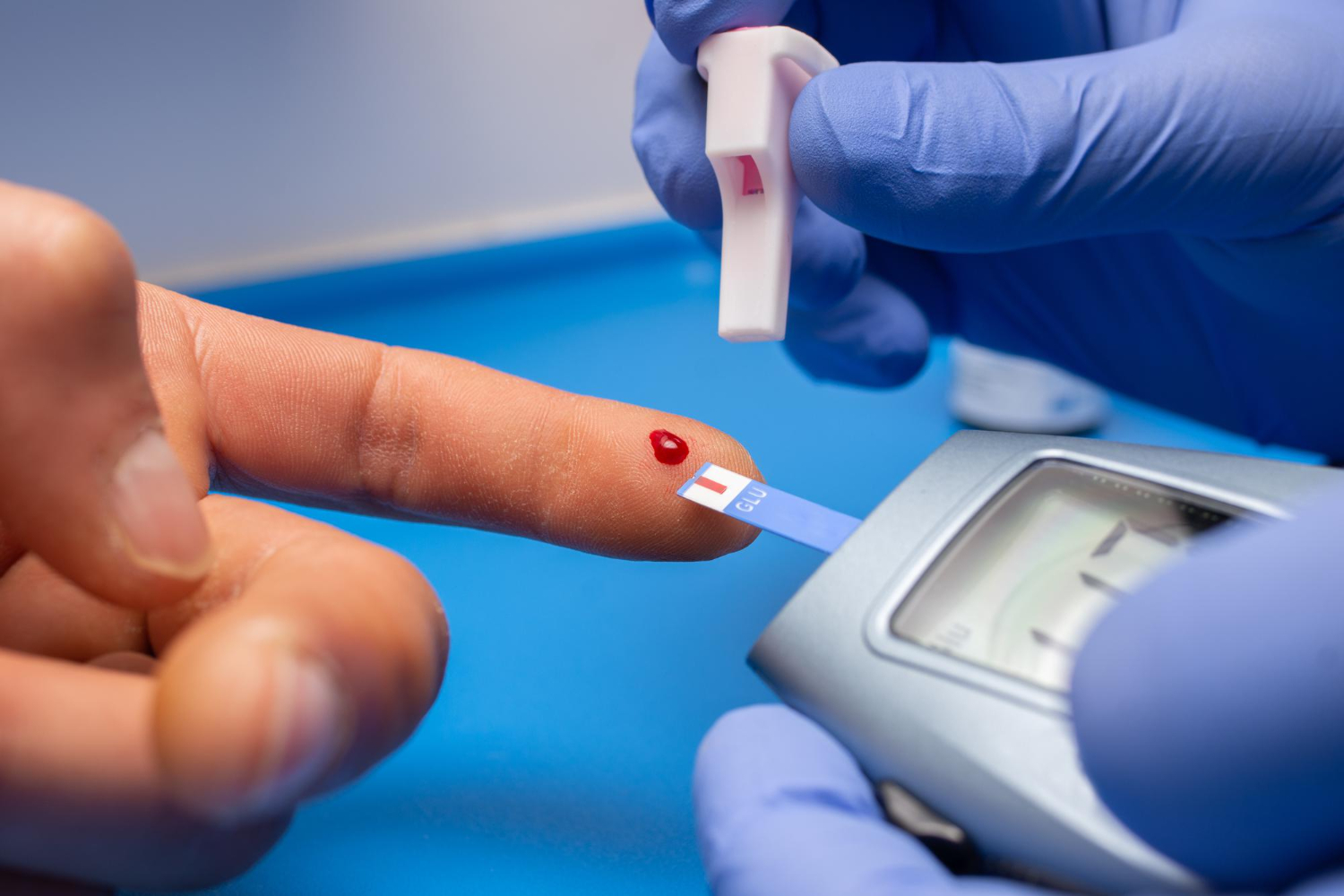
Glucometers have long been the standard tool for checking blood sugar. They involve a quick finger-prick to collect a drop of blood, which the device analyses in seconds. For many people, glucometers remain a dependable choice because they are accurate, easy to use and widely available.
A glucometer is especially useful when you need immediate readings — such as before meals, after meals, before driving, when feeling unwell or when adjusting insulin doses. They are also cost-effective and portable, making them suitable for travel or busy routines.
However, glucometers provide only snapshot readings — they don’t show trends or continuous changes. That means you may miss fluctuations or not realise when your glucose is rising or falling quickly.
Continuous Glucose Monitoring (CGM): Real-Time Insights Without Finger-Pricks
Continuous glucose monitoring has transformed diabetes care by offering real-time information throughout the day and night. CGM sensors measure glucose levels in the fluid beneath your skin and automatically update every few minutes, displaying patterns, highs, lows and trends.
For many people, CGM offers far more clarity and confidence than traditional monitoring alone. You can see how meals, exercise, stress or medication immediately affect your glucose, helping you make informed adjustments. CGM also reduces the need for frequent finger-pricks, making daily care more comfortable.
Devices like the FreeStyle Libre 2 Plus and the are popular UK choices because they are small, easy to use and offer continuous readings accessible through a smartphone.
These devices include features such as trend arrows, alerts for low or high glucose (depending on model), and compatibility with other diabetes apps. This provides a clearer picture of how your glucose behaves throughout the day — especially helpful during exercise, sleep, travel, or changing medication.
Glucometer vs CGM: What’s the Difference?
Both monitoring methods have strengths, and choosing the right one often depends on your lifestyle, treatment plan and personal preferences. A glucometer offers reliable single readings but doesn’t reveal the bigger picture. CGM, meanwhile, shows how your glucose changes over time, offering round-the-clock visibility.
Many people with diabetes use both tools together. For example, CGM may guide your daily decisions, while a glucometer confirms readings during times when accuracy is especially important — such as before medication adjustments or when symptoms don’t match the displayed data.
If you want clearer insight and fewer surprises, CGM is often the better choice. If you prefer to check your glucose only a few times a day, a glucometer may suit your routine.
How Monitoring Helps You Make Better Choices
Monitoring is not just about checking numbers — it’s about learning how your body responds. Over time, patterns begin to emerge. You may notice that certain foods cause quicker spikes, or that walking after meals greatly improves your glucose stability. Stress, sleep and hydration also play roles.
With regular monitoring, you can optimise your daily habits. For example, people often discover that reducing portion sizes, spacing meals more consistently, or adjusting snack choices makes a visible difference. Monitoring also helps identify when medication requires review, making it easier for you and your healthcare team to personalise treatment.
CGM makes this process even more intuitive. Seeing real-time changes provides immediate feedback, which can feel empowering and motivating — especially for those working toward specific goals like weight loss or improved A1c levels.
Monitoring While Travelling, Working or Exercising
Different situations affect glucose levels in different ways. During travel, jet lag, meals and activity levels may change. During exercise, glucose can drop more quickly for some people or rise for others depending on intensity and timing.
Monitoring helps you stay safe during these changes. CGM devices such as the are especially useful when you’re active or away from home because they show real-time changes without interruption.
If you rely on a glucometer, carrying extra strips and a backup test kit is essential. For CGM users, packing a spare sensor ensures uninterrupted monitoring.
Which Monitoring Method Is Right for You?
Choosing the right tool depends on several factors. If you prefer a simple, affordable method and don’t require continuous data, a glucometer may be enough for your needs. People with stable type 2 diabetes who are not on insulin often find this approach effective.
If you want deeper insight, fewer finger-pricks and a clearer picture of your glucose trends, CGM may be the better option. Those who use insulin, have fluctuating glucose levels, or want more control often benefit most from continuous monitoring.
For many people, CGM improves motivation because it shows immediate cause-and-effect relationships between choices and glucose levels. It also helps reduce the fear of unexpected lows or highs, especially overnight.
If you’re unsure which system suits you best, speaking with your diabetes team or pharmacist can help. Understanding your routine, medication and goals will guide the decision.
Trusted Diabetes Monitoring Tools from Diabetes Pharmacy
Choosing reliable monitoring tools ensures accurate readings and peace of mind. At Diabetes Pharmacy, we provide access to trusted CGM systems, glucometers and diabetes-care supplies through our convenient online shop.
Popular options include the FreeStyle Libre 2 Plus for real-time glucose insights and the for continuous monitoring with even smaller, more advanced sensor technology.
To learn more about who we are and how we support diabetes management across the UK, visit our About Us page. For queries about orders, prescriptions or supplies, our support team is ready to help through our Contact Us page. You can also discover more helpful guides and articles in our blog section.
Final Thoughts
Glucose monitoring is an essential part of diabetes management, but it doesn’t have to be confusing. Whether you prefer a traditional glucometer or choose the convenience and continuous insight of a CGM system, the right tool empowers you to make informed decisions and live more confidently.
Monitoring helps you understand your body, avoid dangerous highs and lows, and take control of your diabetes journey. With the support, supplies and trusted products from Diabetes Pharmacy, staying on top of your glucose levels becomes simpler, safer and far more manageable.