
Diabetes is often discussed as a single condition with a standard set of rules, but in reality, diabetes care changes significantly depending on life stage. Age, hormones, lifestyle, physical ability and daily routines all influence how diabetes should be managed. What works well for a younger adult may not be suitable for an older person, and pregnancy requires an entirely different level of care and attention.
Understanding these differences helps people living with diabetes — and their families — manage the condition more safely and confidently. At Diabetes Pharmacy, we support people across the UK at every stage of life with trusted supplies, modern monitoring tools and practical guidance. This article explains how diabetes management changes in older adults, during pregnancy and in younger adults — and what stays the same across all stages.
One Condition, Different Needs
Diabetes always involves balancing blood sugar, medication, food and activity. However, the priorities shift depending on age and circumstances. Older adults may need to focus more on safety and simplicity, pregnancy requires very tight glucose control for mother and baby, while younger adults often juggle diabetes alongside work, study, social life and mental health.
Personalised care — rather than a one-size-fits-all approach — is now considered best practice in modern diabetes management.
Diabetes in Older Adults: Safety, Simplicity & Stability
Diabetes management in older adults focuses on preventing hypoglycaemia, maintaining independence and supporting quality of life. As people age, their bodies may respond differently to medication, and they may be more sensitive to low blood sugar.
Changes in appetite, irregular meal patterns, reduced mobility, vision changes and memory challenges can all affect diabetes care. For some older adults, strict glucose targets may increase the risk of dangerous lows, so healthcare teams often adjust goals to prioritise safety.
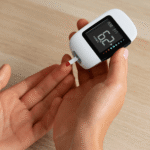
Monitoring remains important, but it needs to be practical. Some older adults prefer traditional finger-prick testing using reliable options such as Accu-Chek Performa test strips or Contour Plus glucose strips for clear, accurate readings. Others benefit from continuous glucose monitoring, which reduces finger-pricks and provides reassurance by showing trends throughout the day and night.
Insulin users may also benefit from finer, easier-to-handle injection equipment like BD Micro-Fine U-100 insulin syringes, designed for comfort and precision.
Above all, diabetes care in older adults should feel manageable, not overwhelming.
Diabetes During Pregnancy: Extra Care for Mother & Baby
Diabetes during pregnancy — whether gestational diabetes, type 1 or type 2 — requires very careful glucose management. Hormonal changes can make blood sugar levels more unpredictable, and maintaining stable levels is essential to support the health of both mother and baby.
During pregnancy, glucose targets are often tighter, and monitoring is more frequent. Many women are advised to check their levels several times a day to ensure they remain within a safe range. This can feel intense, but it is temporary and highly effective at reducing risks.
Continuous glucose monitoring is increasingly used during pregnancy because it provides constant insight without repeated finger-pricks. Tools such as the FreeStyle Libre 2 Plus or the smaller FreeStyle Libre 3 CGM Sensor allow women to see how meals, sleep and activity affect glucose in real time.
Medication plans may also change during pregnancy, and insulin is often adjusted more frequently. After birth, glucose levels usually shift again, so post-pregnancy follow-up is just as important as care during pregnancy.
The key message is reassurance: with close monitoring and the right support, most women with diabetes go on to have healthy pregnancies and healthy babies.
Diabetes in Younger Adults: Flexibility, Lifestyle & Balance
Younger adults with diabetes often face a different challenge — fitting diabetes into a busy, unpredictable lifestyle. Work, study, social events, travel, stress and sleep patterns can all affect blood sugar, making consistency difficult.
Unlike older adults, younger people may experience fewer physical limitations, but they often carry a heavier mental load. Diabetes burnout, stress and emotional fatigue are common, especially when trying to balance independence with long-term health.
Technology plays a major role here. Continuous glucose monitoring is particularly helpful for younger adults because it allows discreet, real-time tracking without interrupting daily life. Devices such as the FreeStyle Libre 3 CGM Sensor or the Dexcom ONE+ Sensor provide insights that support better decisions around food, exercise and alcohol.
Some younger adults still prefer finger-prick testing for certain situations, using compact options like AgaMatrix WaveSense Jazz test strips or Accu-Chek Active glucose test strips as backups.
The focus at this stage of life is sustainability — building routines that work long term without sacrificing enjoyment or mental well-being.
What Stays the Same Across All Life Stages
While diabetes care changes with age and circumstances, some principles remain constant. Monitoring blood sugar regularly, taking medication as prescribed, eating balanced meals and staying physically active form the foundation of good care at every stage of life.
Education and self-awareness are equally important. Understanding how your body responds to food, stress, sleep and activity helps you adapt your plan as life changes.
Mental well-being also matters at every age. Stress and emotional health directly affect glucose levels, whether you are 25, pregnant, or 75.
How Modern Monitoring Supports Different Needs
One of the biggest advantages of modern diabetes care is flexibility. CGM systems, glucometers, test strips and insulin tools can be adapted to suit different life stages rather than forcing everyone into the same routine.
Some people use CGM full-time, others combine it with finger-prick testing, and some prefer traditional methods with occasional technology support. The right approach is the one that fits your life — not the one that feels most advanced.
Working With Healthcare Professionals
Because diabetes care changes over time, regular reviews with healthcare professionals are essential. Doctors and pharmacists can help adjust targets, medication and monitoring methods as needs evolve.
If you’re unsure what to discuss during appointments, our guide on how to work with your doctor and pharmacist explains which questions to ask and how to make the most of professional support at any life stage.
Support for Every Life Stage at Diabetes Pharmacy
At Diabetes Pharmacy, we support people living with diabetes across all ages and circumstances. Through our online shop, you can access CGM sensors, test strips, insulin supplies and essential diabetes products tailored to different needs.
To learn more about our mission and commitment to accessible diabetes care in the UK, visit our About Us page. If you need guidance or have questions about products, our team is available through Contact Us. You can also explore more educational content in our blog section.
Final Thoughts
Diabetes may be a lifelong condition, but diabetes care is not static. It evolves with age, life changes and circumstances. Whether managing diabetes in older age, during pregnancy or as a younger adult, understanding what changes — and why — helps you stay safe, confident and in control.
With personalised care, modern monitoring tools, and trusted support from Diabetes Pharmacy, diabetes management can adapt to every stage of life — without losing focus on what matters most: your health and quality of life.