Understanding diabetes medication can feel overwhelming, especially if you’re newly diagnosed or adjusting to a new treatment plan. With so many types of medicines available in the UK — tablets, injectables, and continuous glucose monitoring tools — it’s important to understand what each medication does, why it’s prescribed, and how it supports your overall health.
At Diabetes Pharmacy, we know that confidence in your treatment begins with clear information. This beginner’s guide explains the main diabetes medications used today, when doctors typically prescribe them, and how they fit into your wider diabetes-care routine.
Why Diabetes Medication Is Important
Diabetes medications help control blood sugar levels, preventing long-term complications such as heart disease, nerve damage, kidney issues, and eye problems. Even if lifestyle changes such as diet and exercise play an important role, many people need medication to maintain stable glucose levels — especially with type 2 diabetes, where insulin resistance gradually increases over time.
For those with type 1 diabetes, medication is essential because the body can no longer produce insulin. With type 2 diabetes, medication is often introduced gradually as your body’s insulin response changes. Understanding these medications helps you feel more confident in your treatment decisions.
Metformin: The Most Common Starting Medication
For most people with type 2 diabetes, the first medication prescribed is Metformin, a well-established treatment that helps your body use insulin more effectively. It reduces the amount of glucose your liver releases and helps your muscles absorb glucose more efficiently.
Doctors typically introduce Metformin soon after diagnosis, especially if lifestyle changes alone aren’t bringing blood sugar levels into a safe range. Many people take it long-term because it remains effective even as diabetes progresses. It’s usually taken after meals to reduce stomach discomfort and is considered one of the safest medications available.
Sulfonylureas: Helping the Pancreas Release More Insulin
If Metformin alone is not enough, some people are prescribed Sulfonylureas, such as gliclazide or glimepiride. These medications stimulate the pancreas to release more insulin, helping lower blood sugar after meals. Because they actively encourage insulin production, some people may experience low blood sugar if meals are delayed.
Sulfonylureas are useful when the pancreas still produces insulin but needs extra support. They are often added as a second-line therapy when A1c levels remain higher than desired despite Metformin and healthy lifestyle changes.
DPP-4 Inhibitors: Gentle Blood-Sugar Control
Another medication group you may encounter is DPP-4 inhibitors, sometimes called “gliptins.” These medicines help prolong the activity of hormones that stimulate insulin release after eating. They generally have fewer side effects than some older medications and are weight-neutral, making them a good option for many people.
Doctors often recommend them when Metformin alone is not sufficient or when a patient cannot tolerate other medications.
GLP-1 Receptor Agonists: Supporting Weight and Glucose Control
A growing number of people in the UK are prescribed GLP-1 receptor agonists, which come as injections. These medications slow digestion, reduce appetite, support weight loss, and help the pancreas release insulin only when glucose levels are high. Because they provide multiple health benefits, they’re increasingly used for people with type 2 diabetes who struggle with weight management or who have cardiovascular risks.
GLP-1 medications can significantly lower blood glucose and may reduce the risk of heart events — one reason many specialists now prescribe them earlier in treatment.
SGLT2 Inhibitors: Helping the Kidneys Remove Excess Glucose
Another modern class of diabetes medications is SGLT2 inhibitors, often referred to as “flozins.” These medicines work by helping the kidneys release glucose through urine. They also support heart and kidney health, which is especially important for diabetes management.
Many UK guidelines now recommend SGLT2 inhibitors for people with type 2 diabetes who have a higher risk of kidney disease or cardiovascular issues, or for those who need additional support to bring blood sugar levels down.
Insulin: Essential for Type 1 and Sometimes Used in Type 2
For people with type 1 diabetes, insulin is required for life because the pancreas no longer produces it. People with type 2 diabetes may also need insulin as the condition progresses or if other medications are not effective enough.
There are several types of insulin — rapid acting, short acting, intermediate, and long acting — and your doctor will help you choose based on your lifestyle, meals, and glucose patterns. While the idea of injections can feel intimidating at first, insulin pens, pumps and modern tools have made the process much easier and more comfortable.
Continuous Glucose Monitoring (CGM): A Modern Tool for Medication Success
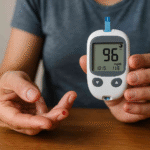
Medication alone is not always enough — monitoring your glucose levels is equally important. Devices such as the FreeStyle Libre 2 Plus and FreeStyle Libre 3 CGM Sensor allow you to see real-time glucose trends without finger-pricks. CGM helps you understand how medications, meals, stress, and activity affect your blood sugar throughout the day.
Many people find CGM especially useful during medication changes, meal planning, exercise routines, or when learning how their body responds to different treatments. The clarity it provides often leads to better control and fewer unexpected highs or lows.
How Doctors Decide Which Medication You Need
Choosing the right diabetes medication is personal. Your doctor will consider many factors, such as your A1c levels, weight, kidney function, age, lifestyle, other medications, and long-term health goals.
For early type 2 diabetes, Metformin is usually the first step. As the condition evolves, you may add newer medications such as GLP-1 receptor agonists or SGLT2 inhibitors. For type 1 diabetes, insulin remains essential — but CGM and treatment planning can make management much smoother.
Understanding why a medication is prescribed gives you greater control and helps you feel confident in your care.
Tips for Managing Medication Successfully
Successful diabetes management requires consistency. Take your medication at the same time each day and follow your doctor’s guidance closely. If you notice side effects — stomach discomfort, dizziness, or unusual changes — always speak to your doctor or pharmacist before adjusting your dose.
Using a glucose monitor or CGM device helps you understand your patterns and makes it easier to work with your healthcare team. You may also find it helpful to pair medication with a meal plan that prioritises wholegrains, vegetables, lean proteins and balanced portions.
Building healthy habits around sleep, hydration and daily movement can make your medication work even better.
Where to Get Trusted Diabetes Supplies in the UK
Whether you’re starting medication, changing treatments or exploring better monitoring tools, you can find reliable supplies at Diabetes Pharmacy. Our online shop includes CGM sensors, test strips, injection supplies and a growing range of products designed to support daily diabetes care.
If you want to learn more about our work and commitment to accessible diabetes support, visit our About Us page. For questions related to orders, prescriptions or treatment tools, our team is here to assist through our Contact Us page.
You can also explore more helpful guides and tips anytime through our blog section.
Final Thoughts
Diabetes medication doesn’t have to feel confusing or overwhelming. When you understand what each category of medication does — from Metformin to insulin, from SGLT2 inhibitors to modern CGM systems — you gain control over your condition and your confidence grows.
With the right treatment plan, ongoing monitoring and practical support, diabetes becomes far more manageable. At Diabetes Pharmacy, we’re committed to helping you access the right tools, knowledge and supplies to feel empowered in your daily care.