How to Work With Your Doctor & Pharmacist

Managing diabetes successfully requires teamwork — not just medication and daily routines, but clear communication with the healthcare professionals supporting you. Your doctor and pharmacist play vital roles in shaping your diabetes treatment plan, adjusting it over time, and helping you stay confident in your self-care.

Many people, however, attend appointments unsure about what to ask. This guide uses a friendly Q&A style to help you understand what to discuss, how to communicate effectively, and how to get the most out of your diabetes care. At Diabetes Pharmacy, we believe informed patients make stronger decisions — and this guide is designed to help you do exactly that.

1: Understanding Your Diagnosis and Long-Term Plan

Q: I’ve been diagnosed with diabetes — how do I understand what that means for me?

Your doctor should explain whether you have type 1 or type 2 diabetes, how it affects your body, and what steps you need to take to stay healthy. Ask them to clarify anything you’re unsure about — from how insulin works to how your pancreas behaves. There’s no such thing as a silly question.

Q: What should I ask during my first or annual diabetes review?

Start with your current numbers. Ask:

  • “What is my HbA1c, and what should my target be?”
  • “Has anything changed since my last review?”
    Your doctor can explain whether your levels are improving or need attention. This helps you understand how well your plan is working.

Q: What symptoms should I never ignore?

Ask your doctor to list red-flag symptoms such as unusual thirst, blurred vision, tingling in feet, or sudden drops in blood sugar. Knowing what to look for helps prevent long-term complications.

2: Asking the Right Medication Questions

Q: I take diabetes medication, but I don’t always understand what each one does. What should I ask?

Ask your doctor to explain each medication in simple terms.
For example:

  • “What does this medication do?”
  • “How does it help my body use insulin?”
  • “When should I take it — with meals, before bed, or at specific times?”

This helps you use your medication correctly and confidently.

Q: How do I know if my medication needs adjusting?

If you experience frequent highs or lows, new symptoms, changes in appetite or weight, or your HbA1c rises, speak up. Your doctor may adjust your dose or recommend a different medication. Treatment plans change — it’s normal.

Q: Should I ask about side effects?

Absolutely. Ask:

  • “What side effects are normal?”
  • “Which ones should I report immediately?”
    Your pharmacist can also answer these questions and guide you on safe usage.

Q: What if my medications aren’t working well enough?

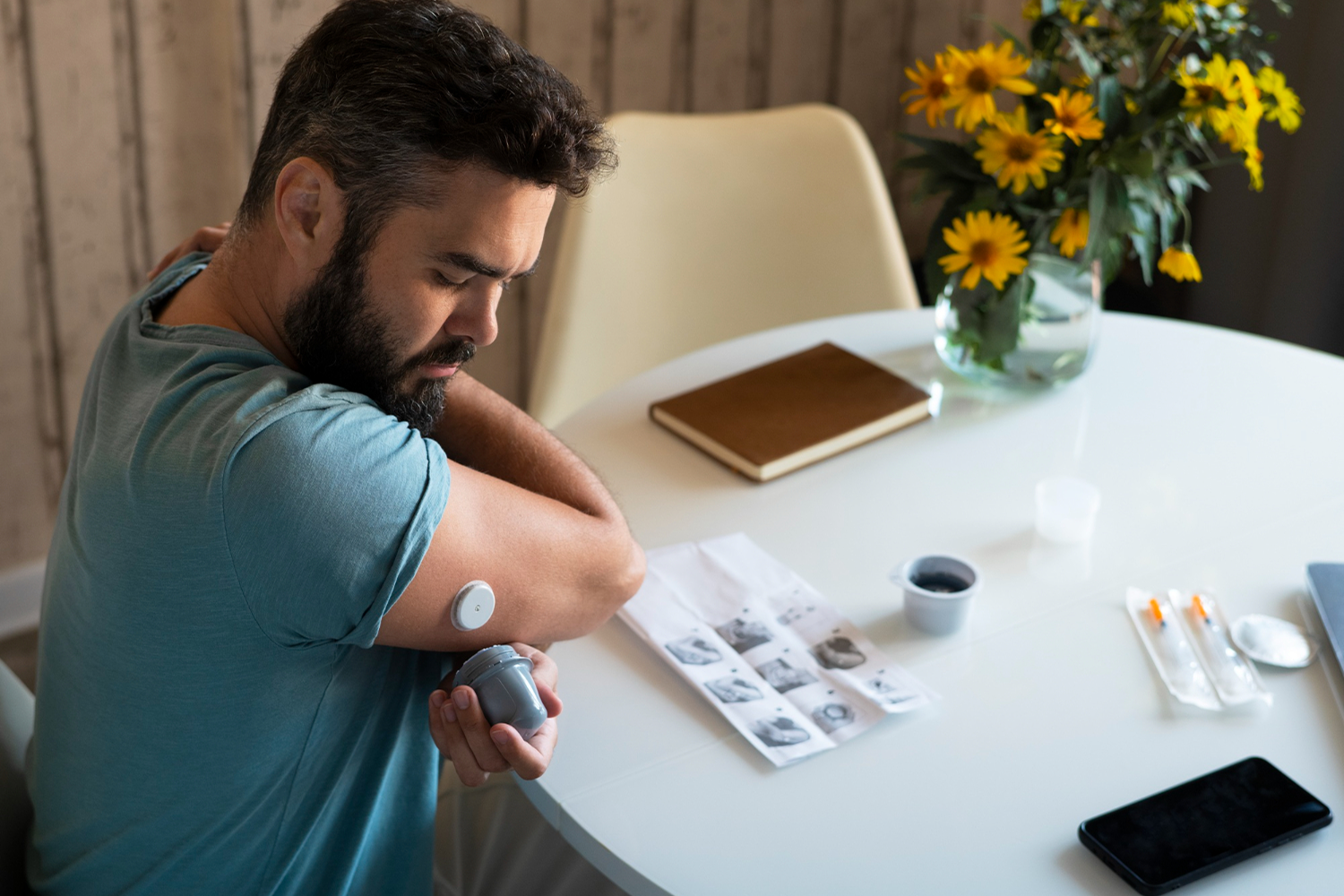
Your doctor might suggest adding another medication or moving to insulin. They may also recommend improved monitoring through tools like the FreeStyle Libre 2 Plus to better understand your glucose patterns.

3: Monitoring Questions (Glucometers, CGM & Frequency)

Q: How often should I be checking my blood sugar?

This depends on your treatment plan. People on insulin or certain tablets may need to check multiple times a day, while others may need one or two checks. Ask your doctor:

  • “What monitoring routine suits my medication and lifestyle?”

Q: Should I consider a continuous glucose monitor (CGM)?

If your levels fluctuate frequently, if you struggle to spot lows, or if finger-pricks feel difficult, a CGM could help. Ask:

  • “Would a CGM give me clearer insights into my glucose patterns?”

Doctors often recommend CGM for patients who want more accurate, real-time information. You can explore CGM options such as the FreeStyle Libre 2 Plus for continuous tracking with no routine finger-pricks.

Q: What should I look for when reviewing my glucose readings?

Ask your doctor or pharmacist to help you understand trends like morning highs, post-meal spikes or unusually low readings. Monitoring becomes far more effective when you know how to interpret patterns.

4: Questions About Diet, Exercise & Lifestyle

Q: What should I ask my doctor about food?

Diet is deeply personal. Ask questions like:

  • “How do different carbs affect my glucose?”
  • “Should I work with a dietitian?”
  • “Are there foods I should limit based on my medication?”

Your doctor can explain how to balance meals and manage portion sizes without feeling restricted.

Q: What about exercise — how do I know what’s safe?

Movement is hugely beneficial for diabetes, but ask:

  • “What exercises are suitable for my age and fitness level?”
  • “Will exercise make my glucose drop?”
  • “Do I need to adjust my medication before activity?”

If you use a CGM like the FreeStyle Libre 2 Plus, it can show how activity affects your glucose in real time.

Q: Should I discuss stress, sleep or mental health as well?

Yes — emotional well-being affects blood sugar. If stress or sleep issues are affecting your routine, discuss them openly. Diabetes care isn’t only physical.

5: What to Ask Your Pharmacist (Often Overlooked)

Q: How can my pharmacist help with my diabetes plan?

More than you might expect. Your pharmacist ensures you understand your medication, checks for interactions, reminds you about proper use and can guide you with general care tips.

Q: What specific questions should I ask my pharmacist?

Try these:

  • “Can you show me how to use my insulin or pen correctly?”
  • “Is it safe to take this over-the-counter medicine with my diabetes tablets?”
  • “How should I store my medication while travelling?”
  • “Which monitoring tools would you recommend?”

Pharmacists at Diabetes Pharmacy can also help you choose the right supplies and explain how to use CGM sensors effectively.

Q: Can I ask my pharmacist about foot care or skin issues?

Yes — pharmacists can advise on minor wounds, dry skin, foot concerns and when to seek medical help.

6: Reviewing and Updating Your Diabetes Plan

Q: How often should I review my diabetes plan?

At least once a year — but sooner if your glucose changes, medication stops working well, or lifestyle adjustments aren’t helping. Ask your doctor:

  • “Is my current plan still the best option for me?”

Q: What should I discuss during a review?

Talk about new symptoms, daily challenges, changes in activity or diet, and your glucose trends. Use your readings or CGM data to guide the conversation.

Q: How do I know when my plan needs updating?

If you’re experiencing frequent highs or lows, or your HbA1c is rising, your doctor may suggest new medications or updated monitoring systems.

Support from Diabetes Pharmacy

Your healthcare team is there to guide you — and so are we. At Diabetes Pharmacy, you can explore trusted diabetes supplies through our convenient online shop, including the latest CGM sensors such as the FreeStyle Libre 2 Plus.

If you want to learn more about our mission, visit our About Us page. If you have questions about supplies or need personalised support, reach out through our Contact Us page. For more guides like this one, explore our blog section.

Final Thoughts

Working effectively with your doctor and pharmacist is one of the strongest ways to improve your diabetes care. Asking questions — even small ones — helps you understand your body, your treatment and your daily routine. With open communication and the right tools from Diabetes Pharmacy, you can build a diabetes plan that feels personalised, safe and empowering.
Share:

Long-Term Diabetes Complications: What They Are and How to Prevent Them

Living with diabetes means learning how to manage blood sugar daily — but it also means understanding the long-term impact the condition can have on your body. When blood sugar stays high for long periods, it can gradually damage organs, nerves, and blood vessels. The good news is that with the right management approach, many long-term complications can be delayed or even prevented.

This guide explains the most common long-term diabetes complications, who is at risk, and the practical steps you can take to protect your health. At Diabetes Pharmacy, we support people across the UK with trusted supplies, modern monitoring tools and clear guidance to help you stay in control of your diabetes — today and in the years ahead.

Why Long-Term Complications Occur

Long-term diabetes complications develop when high blood sugar damages blood vessels and nerves. This process happens gradually and often without early symptoms. Over time, this damage affects the heart, kidneys, eyes, feet, skin, and other organs.

Most complications happen because:

  • Glucose builds up in the bloodstream
  • Blood vessels become narrower and less flexible
  • Nerves receive less oxygen and nourishment
  • Inflammation increases
  • Healing slows down

Understanding these mechanisms helps clarify why consistent monitoring, medication and lifestyle habits matter.

Cardiovascular Disease (Heart Disease & Stroke)

Cardiovascular complications are the leading long-term health risk for people with diabetes. High blood sugar, high blood pressure and cholesterol issues can combine to damage blood vessels, increasing the risk of heart attack or stroke.

Many people never feel symptoms until a major event happens, which is why early prevention is essential. Regular activity, balanced meals and proper glucose control all reduce risk. Using modern monitoring such as the FreeStyle Libre 2 Plus helps track how food and lifestyle decisions affect your blood sugar — a key protective factor for heart health. 

Diabetic Retinopathy (Eye Damage)

Long-term high blood sugar can damage the tiny blood vessels at the back of the eye, leading to diabetic retinopathy. This is one of the most common complications and can progress quietly for years without noticeable symptoms.

Regular eye screening is vital. In the UK, people with diabetes are invited for annual diabetic eye screening to detect early changes before vision is affected. Maintaining stable glucose levels and attending all eye appointments is the best defense against long-term damage.

Nerve Damage (Neuropathy)

High glucose levels can damage nerves throughout the body, particularly in the feet and hands. This condition — known as neuropathy — can cause numbness, tingling, reduced sensation or pain. When sensation is reduced, injuries or wounds may go unnoticed, leading to infections or slow healing.

Daily foot checks, comfortable footwear and regular monitoring help reduce risk. Learning how your glucose behaves throughout the day, using tools like CGM sensors, further protects nerves by helping maintain a more consistent range.

Foot Problems & Ulcers

Foot complications often result from a combination of nerve damage and poor circulation. A simple blister or small cut can become an infection if sensation is reduced or healing is delayed. This is why foot checks during diabetes reviews are so important.

Keeping feet clean, moisturised, and protected — and seeking medical advice for any changes — significantly reduces risk. Avoid walking barefoot, especially outdoors, and inspect feet daily for cuts or changes in colour.

Kidney Disease (Diabetic Nephropathy)

The kidneys filter waste from the blood. High glucose levels can strain this filtration system over time, leading to kidney disease. Early stages often show no symptoms, but untreated kidney damage can progress to chronic kidney disease.

Regular blood and urine tests, usually performed during annual diabetes reviews, help catch early signs. Managing blood pressure, staying hydrated and maintaining glucose stability are key protective steps.

Sleep Problems, Fatigue & Mental Health

Although not always discussed, long-term diabetes can affect mental wellbeing. Persistent highs or lows can cause fatigue, irritability and sleep disruption. Over time, this can impact your emotional health, motivation and self-care routines.

Looking after your mental health is as important as managing medications. Taking breaks, building routines, staying active and reaching out for support all play essential roles.

How to Prevent Long-Term Diabetes Complications

The positive news is that long-term diabetes complications are not inevitable. Many can be delayed for years or prevented entirely with consistent self-care, monitoring and medical support.

Here are the proven ways to protect your long-term health:

1. Maintain stable blood-sugar levels: Keeping glucose within your personal target range reduces damage to nerves and blood vessels. Whether you use traditional glucometers or advanced tools like the FreeStyle Libre 2 Plus, monitoring helps you stay aware and make timely adjustments.

2. Take medication as prescribed: Never adjust or skip medication without guidance. If you’re unsure how your treatment works, speak with your GP, diabetes nurse or visit Diabetes Pharmacy for support.

3. Keep up with annual health checks: Eye screening, foot checks, HbA1c tests, kidney reviews and blood-pressure monitoring are essential to catch early signs of complications.

4. Stay active and eat balanced meals: Regular physical activity improves insulin sensitivity and protects your heart. Balanced meals — with wholegrains, vegetables, protein and healthy fats — support stable glucose and overall health.

5. Protect feet and skin: Daily foot checks, moisturising dry skin and avoiding tight shoes reduce the risk of infections and ulcers.

6. Stop smoking: Smoking significantly increases the risk of cardiovascular and kidney complications. Quitting provides immediate health benefits.

7. Manage mental well-being: Stress can raise blood sugar. Activities like walking, yoga, stretching, hobbies and community support all help reduce stress and improve glucose control.

Tools That Support Long-Term Protection

Having the right diabetes tools makes prevention easier. Real-time glucose insight through CGM devices such as the  FreeStyle Libre 2 Plus helps you understand how your daily habits impact your blood sugar. This knowledge empowers you to make healthier decisions and avoid patterns that lead to long-term issues.

You can explore CGM sensors, glucose-testing supplies and other essentials in our online shop. For guidance on choosing the right tools, you can learn more about us on our About Us page or speak with our team directly through Contact Us. You can also explore more diabetes-care articles via our blog section.

Final Thoughts

Long-term diabetes complications can sound worrying, but knowledge and consistent management create enormous protection. By monitoring your blood sugar, taking medications as prescribed, adopting healthy habits and attending regular check-ups, you can significantly reduce your risk.

With the right tools, guidance and support from Diabetes Pharmacy, you can protect your future health and enjoy life with confidence. Prevention is a lifelong journey — and every positive step you take today supports your wellbeing for years to come.

Share:

Understanding Diabetes Monitoring: Glucometers, CGM & What’s Right for You

Monitoring your blood sugar is one of the most important parts of diabetes management. Whether you’re newly diagnosed or have been living with diabetes for years, understanding how to measure your glucose levels — and choosing the right monitoring tools — can improve your confidence, treatment decisions and overall health.

With modern technology now widely available in the UK, monitoring has become more accurate, convenient and personalised than ever before. In this guide, we explain the differences between traditional glucometers and continuous glucose monitoring (CGM), why monitoring matters, and how to choose a method that suits your lifestyle.

At Diabetes Pharmacy, we support people across the UK with trusted devices, clear guidance and reliable supplies to help make diabetes care easier.

Why Blood-Glucose Monitoring Matters

Monitoring your glucose gives you insight into how your body responds to food, activity, medication, stress and illness. It helps you understand your trends, spot patterns and make informed choices. Without monitoring, managing diabetes becomes guesswork — and that can lead to dangerous highs or lows.

For people with type 1 diabetes, frequent monitoring is essential to keep glucose levels stable and prevent complications such as diabetic ketoacidosis. For people with type 2 diabetes, especially those on medication or insulin, monitoring provides valuable information that guides lifestyle decisions and supports safe treatment adjustments.

Regularly checking your levels builds awareness, makes meal planning easier, and helps you recognise what works best for your body.

Traditional Glucometers: A Reliable Foundation

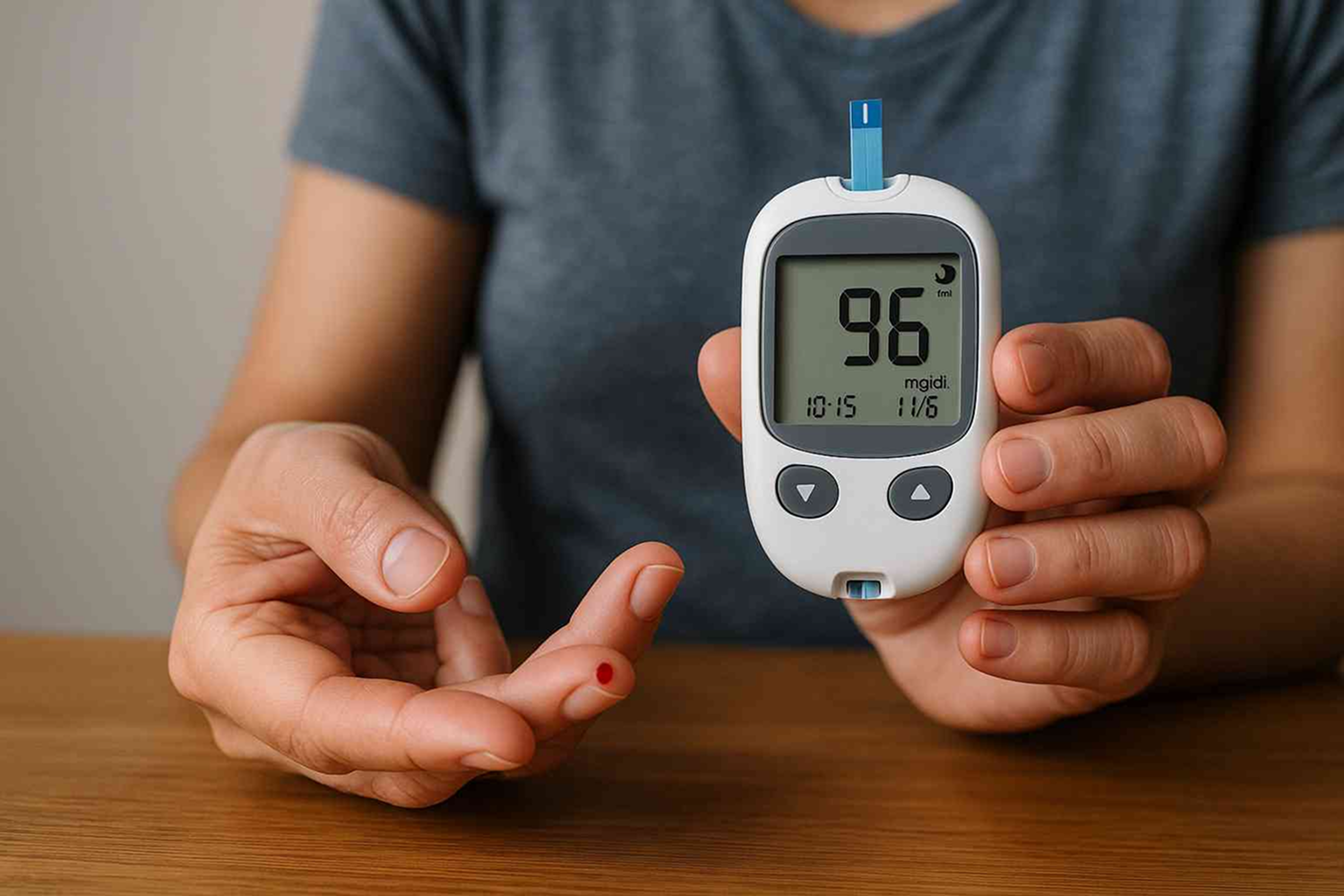
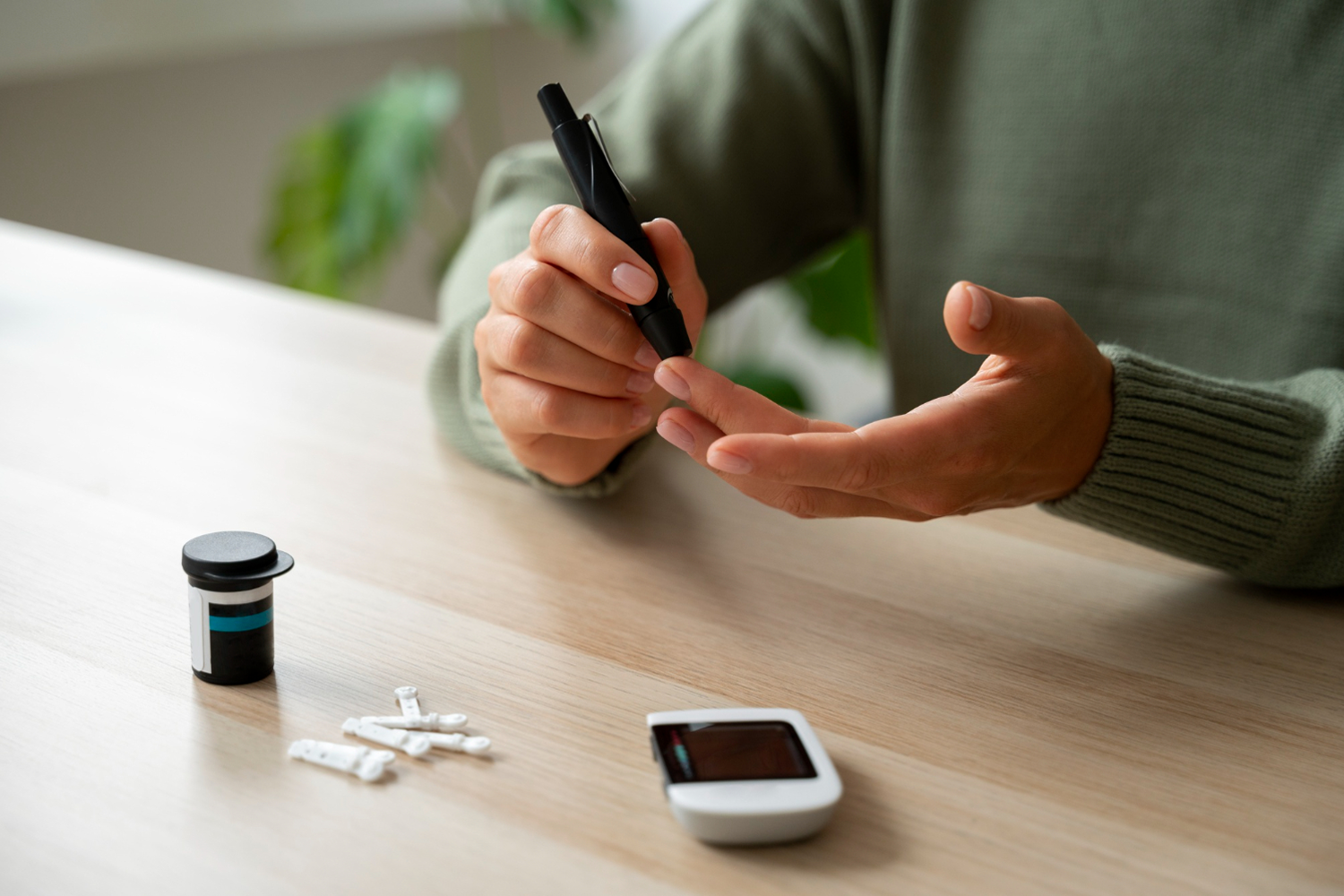
Glucometers have long been the standard tool for checking blood sugar. They involve a quick finger-prick to collect a drop of blood, which the device analyses in seconds. For many people, glucometers remain a dependable choice because they are accurate, easy to use and widely available.

A glucometer is especially useful when you need immediate readings — such as before meals, after meals, before driving, when feeling unwell or when adjusting insulin doses. They are also cost-effective and portable, making them suitable for travel or busy routines.

However, glucometers provide only snapshot readings — they don’t show trends or continuous changes. That means you may miss fluctuations or not realise when your glucose is rising or falling quickly.

Continuous Glucose Monitoring (CGM): Real-Time Insights Without Finger-Pricks

Continuous glucose monitoring has transformed diabetes care by offering real-time information throughout the day and night. CGM sensors measure glucose levels in the fluid beneath your skin and automatically update every few minutes, displaying patterns, highs, lows and trends.

For many people, CGM offers far more clarity and confidence than traditional monitoring alone. You can see how meals, exercise, stress or medication immediately affect your glucose, helping you make informed adjustments. CGM also reduces the need for frequent finger-pricks, making daily care more comfortable.

Devices like the FreeStyle Libre 2 Plus and the are popular UK choices because they are small, easy to use and offer continuous readings accessible through a smartphone.

These devices include features such as trend arrows, alerts for low or high glucose (depending on model), and compatibility with other diabetes apps. This provides a clearer picture of how your glucose behaves throughout the day — especially helpful during exercise, sleep, travel, or changing medication.

Glucometer vs CGM: What’s the Difference?

Both monitoring methods have strengths, and choosing the right one often depends on your lifestyle, treatment plan and personal preferences. A glucometer offers reliable single readings but doesn’t reveal the bigger picture. CGM, meanwhile, shows how your glucose changes over time, offering round-the-clock visibility.

Many people with diabetes use both tools together. For example, CGM may guide your daily decisions, while a glucometer confirms readings during times when accuracy is especially important — such as before medication adjustments or when symptoms don’t match the displayed data.

If you want clearer insight and fewer surprises, CGM is often the better choice. If you prefer to check your glucose only a few times a day, a glucometer may suit your routine.

How Monitoring Helps You Make Better Choices

Monitoring is not just about checking numbers — it’s about learning how your body responds. Over time, patterns begin to emerge. You may notice that certain foods cause quicker spikes, or that walking after meals greatly improves your glucose stability. Stress, sleep and hydration also play roles.

With regular monitoring, you can optimise your daily habits. For example, people often discover that reducing portion sizes, spacing meals more consistently, or adjusting snack choices makes a visible difference. Monitoring also helps identify when medication requires review, making it easier for you and your healthcare team to personalise treatment.

CGM makes this process even more intuitive. Seeing real-time changes provides immediate feedback, which can feel empowering and motivating — especially for those working toward specific goals like weight loss or improved A1c levels.

Monitoring While Travelling, Working or Exercising

Different situations affect glucose levels in different ways. During travel, jet lag, meals and activity levels may change. During exercise, glucose can drop more quickly for some people or rise for others depending on intensity and timing.

Monitoring helps you stay safe during these changes. CGM devices such as the are especially useful when you’re active or away from home because they show real-time changes without interruption.

If you rely on a glucometer, carrying extra strips and a backup test kit is essential. For CGM users, packing a spare sensor ensures uninterrupted monitoring.

Which Monitoring Method Is Right for You?

Choosing the right tool depends on several factors. If you prefer a simple, affordable method and don’t require continuous data, a glucometer may be enough for your needs. People with stable type 2 diabetes who are not on insulin often find this approach effective.

If you want deeper insight, fewer finger-pricks and a clearer picture of your glucose trends, CGM may be the better option. Those who use insulin, have fluctuating glucose levels, or want more control often benefit most from continuous monitoring.

For many people, CGM improves motivation because it shows immediate cause-and-effect relationships between choices and glucose levels. It also helps reduce the fear of unexpected lows or highs, especially overnight.

If you’re unsure which system suits you best, speaking with your diabetes team or pharmacist can help. Understanding your routine, medication and goals will guide the decision.

Trusted Diabetes Monitoring Tools from Diabetes Pharmacy

Choosing reliable monitoring tools ensures accurate readings and peace of mind. At Diabetes Pharmacy, we provide access to trusted CGM systems, glucometers and diabetes-care supplies through our convenient online shop.

Popular options include the FreeStyle Libre 2 Plus for real-time glucose insights and the for continuous monitoring with even smaller, more advanced sensor technology.

To learn more about who we are and how we support diabetes management across the UK, visit our About Us page. For queries about orders, prescriptions or supplies, our support team is ready to help through our Contact Us page. You can also discover more helpful guides and articles in our blog section.

Final Thoughts

Glucose monitoring is an essential part of diabetes management, but it doesn’t have to be confusing. Whether you prefer a traditional glucometer or choose the convenience and continuous insight of a CGM system, the right tool empowers you to make informed decisions and live more confidently.

Monitoring helps you understand your body, avoid dangerous highs and lows, and take control of your diabetes journey. With the support, supplies and trusted products from Diabetes Pharmacy, staying on top of your glucose levels becomes simpler, safer and far more manageable.

Share:

Exercise & Physical Activity: What Works Best for Blood Sugar Control

Exercise is one of the most powerful tools for managing diabetes. Whether you’re living with type 1 or type 2 diabetes, the right physical activity can help stabilise blood sugar, improve insulin sensitivity, support weight control, and boost your overall health. But knowing which exercises are most effective — and how to do them safely — can feel confusing, especially for beginners.

This guide breaks down the best exercises for blood-sugar control, explains why movement matters, and gives practical tips to help you build a routine that fits your lifestyle. At Diabetes Pharmacy, we’re committed to helping you manage diabetes with confidence, combining medication, monitoring and everyday healthy habits.

Why Exercise Helps Manage Blood Sugar

Physical activity makes your body more responsive to insulin — whether your body produces it naturally or you take it through medication. When your muscles are active, they use glucose for energy, lowering blood-sugar levels during and after exercise. This is why regular movement has such a profound impact on diabetes management.

Exercise also supports weight control, cardiovascular health and mental wellbeing — all of which play important roles in diabetes. Even moderate activity can significantly reduce your risk of complications such as heart disease, high blood pressure and nerve damage.

The best part? You don’t need a gym membership or intense workouts to reap the benefits. Consistency matters more than intensity.

Walking: The Most Accessible Exercise for Diabetes

Walking is one of the easiest and most effective exercises for improving blood sugar. Just 20 to 30 minutes a day can help lower glucose and improve insulin sensitivity. It’s gentle on joints, requires no equipment and can be added to your routine in simple ways — walking to the shops, taking stairs, or enjoying a relaxed evening stroll.

Short walks after meals are especially helpful, as muscles actively use glucose from the food you’ve just eaten. For many people, this alone can significantly flatten post-meal blood-sugar spikes.

Strength Training: Building Muscle for Better Glucose Control

Strength training — such as using resistance bands, light dumbbells, bodyweight exercises or gym machines — can be incredibly beneficial for diabetes. Muscle tissue uses more glucose than fat tissue, meaning the more muscle you have, the better your overall glucose control tends to be.

Strength training also improves metabolism and reduces insulin resistance. You don’t need heavy weights to see benefits; simple movements like squats, wall push-ups and seated leg lifts can make a meaningful difference when done consistently.

People who combine strength training with walking or aerobic exercise typically see the most stable blood-sugar patterns.

Yoga, Pilates & Stretching: Supporting Stress, Flexibility & Glucose Stability

Stress raises blood sugar — and festivals, busy schedules or work pressure can all contribute to this. Activities like yoga, Pilates, tai chi and stretching routines help calm the nervous system, reduce cortisol levels and support more stable glucose readings.

These activities also improve flexibility, balance and joint mobility, making them ideal for people of all ages, including older adults or beginners. Gentle sessions — even 10 minutes — can improve wellbeing and support your overall diabetes management.

Aerobic Exercise: Strengthening the Heart and Reducing Glucose

Cycling, swimming, dancing, low-impact aerobics or brisk walking all count as aerobic exercises. These activities raise your heart rate and help the body use oxygen more efficiently, improving cardiovascular health — something especially important for people with diabetes.

Aiming for around 150 minutes per week (about 30 minutes, five days a week) is ideal, but even shorter bouts — such as 10–15 minutes at a time — can improve glucose control.

Many people find aerobic exercise helps stabilise blood sugar over the long term, reducing the need for medication adjustments.

Monitoring Your Blood Sugar During Exercise

When exercising, especially if you use insulin or certain oral medications, your blood sugar may drop more quickly. Monitoring helps ensure you stay in a safe range and understand how your body responds to different activities.

Continuous glucose monitoring tools such as the FreeStyle Libre 2 Plus or the FreeStyle Libre 3 CGM Sensor can make tracking much easier. These devices help you see real-time glucose changes during workouts, helping you adjust intensity or snacks as needed.

If you’re using a traditional glucometer, check your levels before and after exercise to learn how your body reacts. Over time, you’ll develop a routine that suits your glucose patterns.

Eating Around Exercise

Nutrition plays a key role in how your body responds to activity. Light exercise such as walking usually doesn’t require extra food unless you’re taking insulin or medications that increase hypoglycaemia risk. However, more intense exercise may lower glucose quickly, especially if done on an empty stomach.

A balanced snack before exercise — such as yogurt, fruit, nuts or wholegrain crackers — may help keep your levels stable. After exercise, pairing carbohydrates with protein supports recovery and stabilises glucose. Examples include a banana with peanut butter or a small portion of oats and milk.

Consistent hydration is also essential. Dehydration can cause rising glucose levels and make exercise feel more difficult. Keep water on hand during walks, sessions or classes.

Building a Safe and Effective Exercise Routine

The most effective exercise plan is one you enjoy and can maintain. Starting gently is important, especially if you haven’t exercised in a while. Begin with activities you feel comfortable with — walking, home workouts, or simple stretches — and gradually increase your duration and intensity.

For people using insulin, learning how activity affects their glucose is essential. Monitoring devices like the FreeStyle Libre 3 CGM Sensor make this easier by showing live trends during workouts. Adjusting insulin doses should always be done with guidance from your healthcare team.

If you have complications such as neuropathy, retinopathy or heart conditions, consult your doctor before beginning a new exercise routine. They can recommend safe options tailored to your health needs.

Diabetes Tools to Support Your Exercise Routine

Reliable tools and supplies make exercise safer and more enjoyable. At Diabetes Pharmacy, we provide access to essential products for blood-glucose management, including a wide range of CGM sensors and diabetes-care supplies in our online shop.

If you want to learn more about our mission and how we support thousands of people across the UK, visit our About Us page. For questions regarding orders, monitoring sensors or medication support, our team is ready to assist through our Contact Us page.

You can also find more helpful guides by exploring our blog section.

Final Thoughts

Exercise is one of the most effective, natural ways to improve blood-sugar control — and it’s never too late to start. Whether you choose walking, strength training, yoga, swimming or a mixture of everything, regular movement helps your body use glucose more efficiently and improves long-term health.

You don’t have to take on intense workouts or commit to complex routines. Small, consistent steps — a few minutes of walking after meals, light stretching, or two days of strength training — can lead to profound improvements over time.

With the right tools from Diabetes Pharmacy and a routine you enjoy, exercise becomes a source of strength, confidence and better health.

Share:

How to Manage Blood Sugar While Travelling or During Festivals

Travelling, holidays and festivals are some of life’s greatest joys — but for people living with diabetes, they can also bring a mix of excitement and concern. Changes in routine, irregular meal times, different foods, higher activity levels and disrupted sleep can all affect blood-sugar levels. Whether you’re taking a weekend break within the UK, flying abroad for a holiday, or enjoying a festive celebration with family, planning ahead can help you stay safe while still enjoying every moment.

At Diabetes Pharmacy, we support thousands of people across the UK in managing diabetes confidently in day-to-day life — and that includes moments of travel and celebration. This guide offers practical, easy-to-follow advice to keep your glucose levels steady while you explore, relax or celebrate.

Why Travel and Festivals Affect Blood Sugar

Any major change in your routine can influence your blood glucose. Travel often involves long periods of sitting, unpredictable meal times, new foods, temperature changes, and sometimes time-zone shifts. During festivals or family celebrations, there may be sweet treats, richer meals, irregular eating patterns and higher excitement levels — all of which can cause glucose fluctuations.

Understanding how these factors affect your body helps you prepare rather than worry. With the right steps in place, people with diabetes can travel safely and enjoy celebrations just like anyone else.

Pack Smart: Your Diabetes Travel Essentials

Preparation is the foundation of smooth diabetes management. Before you leave home, make sure you pack more supplies than you think you might need. Unexpected travel delays or changes in plans are common, so having extra equipment provides peace of mind.

Carry all your diabetes supplies — including medication, glucose tablets, pens, test strips, and CGM sensors — in your hand luggage when flying. Temperature-sensitive medication such as insulin should never go in checked luggage. For modern glucose monitoring, many people prefer using tools such as the FreeStyle Libre 2 Plus or FreeStyle Libre 3 CGM Sensor to track glucose changes easily while away from home.

It’s also a good idea to carry a small diabetes travel letter from your GP, especially when flying or carrying injectable items. Planning ahead helps avoid issues at security checks and ensures you have the right medication at the right time.

Stick to Balanced Meals — Even When Options Are Limited

Food is one of the biggest challenges during travel and celebrations. Airport meals, hotel buffets, festival foods and family feasts often contain more carbohydrates, sugar or fat than your normal meals.

The key is not to restrict yourself excessively but to stay intentional. Try to choose meals that include protein, fibre and slow-release carbohydrates. If you’re indulging in something sweet — like a festival dessert or holiday treat — pair it with protein such as yogurt, nuts, cheese or a balanced main meal to help reduce glucose spikes.

If you’re travelling abroad, research local foods in advance to understand which dishes contain hidden sugars or starches. Keeping snacks like nuts, fruit, or wholegrain crackers with you helps you avoid relying solely on unpredictable foods while travelling.

Keep Meal Timing as Consistent as Possible

Travel can disrupt your usual eating schedule. Long flights, time-zone changes or late-night celebrations may push meals later than usual. If you use insulin or medication that increases insulin production, maintaining safe timing is crucial to avoid lows.

Try to keep meals within a similar pattern to what your body is used to. If meals are delayed, small balanced snacks can help you stay steady until your main meal. Carrying a few quick-acting glucose options is essential — especially during travel where access to food is unpredictable.

At festivals or family events, eating small portions more frequently can work better than waiting for one large meal.

Monitor More Frequently During Travel or Festive Days

When your routine changes, your blood sugar can behave unpredictably. Monitoring more often gives you valuable insight into how your body is responding. If you use a glucometer, bring extra test strips and ensure you have backup batteries. If you use a CGM device such as the FreeStyle Libre 2 Plus or FreeStyle Libre 3 CGM Sensor, make sure you apply a fresh sensor before travelling or bring spares.

Checking regularly helps you adjust meals, insulin or activity safely. It also provides peace of mind so you can enjoy your holiday or celebration fully.

Stay Active — But Be Aware of Glucose Changes

Travel often means extra physical activity — walking long distances, exploring new places, dancing at festivals or carrying luggage. Increased movement generally lowers blood sugar, but the effect varies from person to person.

If you’re more active than usual, you may notice your glucose dropping faster than expected. Monitoring helps you stay aware of these changes. Keep a snack on hand when sightseeing or attending events, especially if you’re on insulin or medications that can cause hypoglycaemia.

During holidays, light activity after meals — such as a 10-minute walk — can help stabilise glucose and improve digestion. These small habits make a big difference.

Stay Hydrated — Especially in Warm Weather

Dehydration can raise blood-sugar levels and make you feel fatigued. When travelling or celebrating outdoors, especially in warmer regions or crowded festival spaces, your fluid needs increase. Drink water regularly throughout the day and avoid relying solely on sugary drinks, energy drinks or alcohol.

If you choose alcohol during celebrations, pair it with food and stay aware of how it may affect your blood sugar hours later. Some people experience delayed drops after drinking.

Plan for the Unexpected

Even with careful planning, unexpected situations can happen — delayed meals, missing luggage, travel sickness, or running out of supplies. Preparing a simple emergency plan keeps you confident and safe. Carrying spare medication, extra glucose, and essential supplies ensures you’re ready for changes.

For international travel, knowing the local equivalent of your medication and locating nearby pharmacies is helpful. When travelling within the UK, keeping a backup prescription or contacting your healthcare provider ahead of time ensures a smoother experience.

Find Trusted Diabetes Supplies Before Your Trip

Preparation for travel or festivals begins before you leave home. At Diabetes Pharmacy, we help you stock up on essentials, from diabetes medications to monitoring tools. Our online shop provides quick access to products like CGM sensors, testing supplies and daily care items you may need while away.

Tools such as the FreeStyle Libre 2 Plus and FreeStyle Libre 3 CGM Sensor make travel simpler by offering real-time glucose insight without finger-pricks.

If you’re new to our services or want to learn more about our mission, visit our About Us page. For any questions about supplies, advice or orders, our team is available through our Contact Us page. You can also explore more health tips in our blog section.

Final Thoughts

Travelling or celebrating festivals doesn’t have to disrupt your diabetes management. With preparation, flexible meal choices, regular monitoring and the right tools, you can enjoy every moment without stress. Whether you’re exploring a new country, attending a wedding, celebrating holidays or savouring festive feasts, balanced habits help keep your blood sugar steady and your experience enjoyable.

With support from Diabetes Pharmacy, reliable supplies and trustworthy guidance, you can travel confidently and celebrate safely — without compromising your health.

Share:

Meal Planning for People with Diabetes: A Practical UK Guide for Blood-Sugar Control

Managing diabetes is about more than simply taking medication. For many people across the UK, the foods they eat each day have a significant impact on blood-sugar levels, energy, weight, and long-term health. While meal planning may sound complicated, it can be an empowering and enjoyable way to take control of your diabetes journey. With the right approach, it becomes easier to maintain stable glucose levels, avoid large highs and lows, and feel more confident about what you put on your plate.

At Diabetes Pharmacy, we understand that successful diabetes care involves a combination of medication, daily habits, and reliable support. This guide is designed to help you build a balanced and practical meal plan that fits into everyday UK life — without feeling restricted or overwhelmed.

Why Meal Planning is Essential for Diabetes Management

Meal planning offers structure, consistency and clarity. When you plan what to eat ahead of time, your body benefits from steadier energy levels and fewer blood-sugar fluctuations. This consistency can prevent unexpected spikes after high-carbohydrate meals and reduce the likelihood of dropping too low between meals.

Many people also find that meal planning helps with weight management, because it reduces the chance of grabbing high-sugar or processed foods in a rush. For those living with type 2 diabetes, maintaining a healthy weight can improve insulin sensitivity and reduce long-term complications. For people with type 1 diabetes, predictable meals make dosing insulin more straightforward and reliable.

Most importantly, a well-planned diet supports your overall wellbeing — from heart health to digestion, sleep and energy. It becomes a foundation for healthier living rather than a strict diet to follow.

What a Balanced Diabetes-Friendly Meal Looks Like

A good diabetes-friendly meal is built around balance. Carbohydrates, proteins, fats and fibre all play important roles — and the quality of those foods matters just as much as the quantity.

Carbohydrates still have a place in a healthy meal plan, but choosing options that digest slowly helps prevent rapid increases in blood sugar. Wholegrain bread, oats, basmati rice, lentils, beans, quinoa and sweet potatoes release glucose gradually, offering longer-lasting energy. Pairing these with lean proteins — such as chicken, turkey, eggs, tofu, beans, or fish — makes meals more satisfying and helps stabilise digestion.

Healthy fats like olive oil, avocados, nuts and seeds also support heart health, which is especially important for anyone managing diabetes. These fats help slow digestion and can make meals feel more complete and enjoyable. Finally, filling at least half your plate with colourful, non-starchy vegetables adds valuable fibre and nutrients without elevating blood sugar levels.

Consistency is key. Eating similar amounts of carbohydrates at each meal helps your body regulate glucose more smoothly. This doesn’t mean repeating the same foods every day, but rather maintaining a balanced proportion of carbs, protein and vegetables.

The Role of Regular Meal Timing

Timing is an often-overlooked part of diabetes care. Eating meals at steady intervals helps keep blood-sugar levels stable throughout the day. Many people do well with three structured meals — breakfast, lunch and dinner — spaced evenly, with a light snack only if necessary or if medication requires it.

Skipping meals can lead to overeating later or cause blood sugar to drop unexpectedly. On the other hand, eating too frequently can cause a slow rise in overall glucose. A rhythm of balanced meals ensures your body receives consistent energy without overwhelming the system.

A Sample Daily Meal Plan for Stable Blood Sugar

Below is an example of a balanced day of eating that fits a typical UK lifestyle. You can adapt this to your tastes, culture, dietary needs and medication schedule.

A nutritious breakfast might include porridge made with semi-skimmed milk, topped with berries and a spoonful of seeds. This combination provides fibre, natural sweetness and slow-release carbohydrates. For lunch, a mixed salad with grilled chicken or chickpeas, leafy greens, tomatoes, cucumber and a drizzle of olive oil offers a satisfying blend of protein, fibre and healthy fats. Adding a slice of wholegrain bread or a small portion of brown rice gives you controlled carbohydrates.

If you need an afternoon snack, something simple like Greek yogurt or a small handful of nuts can keep your energy stable without spiking blood sugar. Dinner could be a portion of baked salmon, paired with steamed broccoli and a modest serving of whole-wheat pasta or brown rice. This meal supports heart health while providing the steady energy your body needs.

For those who benefit from a lower-carbohydrate approach, breakfast might be an omelette with vegetables, lunch a tuna or tofu salad, and dinner a stir-fry of lean protein with non-starchy vegetables. This style of eating can be especially helpful for weight loss or glucose control when approved by your healthcare professional.

Everyday Tips to Make Meal Planning Easier

Meal planning is not about perfection — it’s about creating habits that gradually improve your health. Simple steps like preparing ingredients the night before, choosing whole foods over processed options, and keeping portion sizes steady can make a meaningful difference.

Try to stay aware of how different foods affect your blood sugar by checking your levels before and after meals. Many people find continuous glucose monitoring (CGM) especially helpful. Tools like the FreeStyle Libre 2 Plus and the FreeStyle Libre 3 CGM Sensor offer real-time insights into how specific foods impact glucose levels, making meal planning more personalised and accurate.

Hydration also plays a role in glucose stability. Drinking water throughout the day supports metabolism and prevents dehydration, which can sometimes cause false spikes in blood sugar readings. Light daily activity — even a ten-minute walk after meals — can further help regulate glucose.

Above all, allow flexibility. Special occasions, weekends and holidays happen. Instead of aiming for strict rules, focus on overall consistency and return to balanced eating after indulgent meals.

Support, Supplies and Reliable Guidance from Diabetes Pharmacy

Success with meal planning often goes hand in hand with having the right diabetes supplies. At Diabetes Pharmacy, we help people across the UK access trusted tools for daily care. Whether you need test strips, sensors, insulin supplies or essentials to support your routine, you can explore our full range through our online shop.

If you’re new to monitoring technology, the FreeStyle Libre 2 Plus and FreeStyle Libre 3 CGM Sensor offer simple, accurate ways to understand how meals affect your blood sugar throughout the day. Many users find these sensors especially valuable when experimenting with new foods, changing medication, or working toward weight or glucose goals.

To learn more about who we are and how we support diabetes care across the UK, you can visit our About Us page. If you have any questions about orders, supplies, prescriptions or products, our team is here to help — simply reach out through our Contact Us page.

For more helpful articles, guides and practical advice, you can also explore our growing blog section, updated regularly with resources to support your health.

Final Thoughts

Meal planning doesn’t mean restrictive dieting — it means making thoughtful choices that support your body and fit your lifestyle. With balanced meals, steady carbohydrates, nutritious ingredients and consistent meal timing, you can improve your blood-sugar control and feel more confident in your daily routine.

Small steps such as adding more vegetables, swapping refined carbs for wholegrain alternatives, or preparing tomorrow’s lunch the night before can build strong habits over time. And with guidance, tools and supplies from Diabetes Pharmacy, you have everything you need to make meal planning easier, healthier and more effective.

Share:

Beginner’s Guide to Diabetes Medications: What They Do & When They’re Used

Understanding diabetes medication can feel overwhelming, especially if you’re newly diagnosed or adjusting to a new treatment plan. With so many types of medicines available in the UK — tablets, injectables, and continuous glucose monitoring tools — it’s important to understand what each medication does, why it’s prescribed, and how it supports your overall health.

At Diabetes Pharmacy, we know that confidence in your treatment begins with clear information. This beginner’s guide explains the main diabetes medications used today, when doctors typically prescribe them, and how they fit into your wider diabetes-care routine.

Why Diabetes Medication Is Important

Diabetes medications help control blood sugar levels, preventing long-term complications such as heart disease, nerve damage, kidney issues, and eye problems. Even if lifestyle changes such as diet and exercise play an important role, many people need medication to maintain stable glucose levels — especially with type 2 diabetes, where insulin resistance gradually increases over time.

For those with type 1 diabetes, medication is essential because the body can no longer produce insulin. With type 2 diabetes, medication is often introduced gradually as your body’s insulin response changes. Understanding these medications helps you feel more confident in your treatment decisions.

Metformin: The Most Common Starting Medication

For most people with type 2 diabetes, the first medication prescribed is Metformin, a well-established treatment that helps your body use insulin more effectively. It reduces the amount of glucose your liver releases and helps your muscles absorb glucose more efficiently.

Doctors typically introduce Metformin soon after diagnosis, especially if lifestyle changes alone aren’t bringing blood sugar levels into a safe range. Many people take it long-term because it remains effective even as diabetes progresses. It’s usually taken after meals to reduce stomach discomfort and is considered one of the safest medications available.

Sulfonylureas: Helping the Pancreas Release More Insulin

If Metformin alone is not enough, some people are prescribed Sulfonylureas, such as gliclazide or glimepiride. These medications stimulate the pancreas to release more insulin, helping lower blood sugar after meals. Because they actively encourage insulin production, some people may experience low blood sugar if meals are delayed.

Sulfonylureas are useful when the pancreas still produces insulin but needs extra support. They are often added as a second-line therapy when A1c levels remain higher than desired despite Metformin and healthy lifestyle changes.

DPP-4 Inhibitors: Gentle Blood-Sugar Control

Another medication group you may encounter is DPP-4 inhibitors, sometimes called “gliptins.” These medicines help prolong the activity of hormones that stimulate insulin release after eating. They generally have fewer side effects than some older medications and are weight-neutral, making them a good option for many people.

Doctors often recommend them when Metformin alone is not sufficient or when a patient cannot tolerate other medications.

GLP-1 Receptor Agonists: Supporting Weight and Glucose Control

A growing number of people in the UK are prescribed GLP-1 receptor agonists, which come as injections. These medications slow digestion, reduce appetite, support weight loss, and help the pancreas release insulin only when glucose levels are high. Because they provide multiple health benefits, they’re increasingly used for people with type 2 diabetes who struggle with weight management or who have cardiovascular risks.

GLP-1 medications can significantly lower blood glucose and may reduce the risk of heart events — one reason many specialists now prescribe them earlier in treatment.

SGLT2 Inhibitors: Helping the Kidneys Remove Excess Glucose

Another modern class of diabetes medications is SGLT2 inhibitors, often referred to as “flozins.” These medicines work by helping the kidneys release glucose through urine. They also support heart and kidney health, which is especially important for diabetes management.

Many UK guidelines now recommend SGLT2 inhibitors for people with type 2 diabetes who have a higher risk of kidney disease or cardiovascular issues, or for those who need additional support to bring blood sugar levels down.

Insulin: Essential for Type 1 and Sometimes Used in Type 2

For people with type 1 diabetes, insulin is required for life because the pancreas no longer produces it. People with type 2 diabetes may also need insulin as the condition progresses or if other medications are not effective enough.

There are several types of insulin — rapid acting, short acting, intermediate, and long acting — and your doctor will help you choose based on your lifestyle, meals, and glucose patterns. While the idea of injections can feel intimidating at first, insulin pens, pumps and modern tools have made the process much easier and more comfortable.

Continuous Glucose Monitoring (CGM): A Modern Tool for Medication Success

Medication alone is not always enough — monitoring your glucose levels is equally important. Devices such as the FreeStyle Libre 2 Plus and FreeStyle Libre 3 CGM Sensor allow you to see real-time glucose trends without finger-pricks. CGM helps you understand how medications, meals, stress, and activity affect your blood sugar throughout the day.

Many people find CGM especially useful during medication changes, meal planning, exercise routines, or when learning how their body responds to different treatments. The clarity it provides often leads to better control and fewer unexpected highs or lows.

How Doctors Decide Which Medication You Need

Choosing the right diabetes medication is personal. Your doctor will consider many factors, such as your A1c levels, weight, kidney function, age, lifestyle, other medications, and long-term health goals.

For early type 2 diabetes, Metformin is usually the first step. As the condition evolves, you may add newer medications such as GLP-1 receptor agonists or SGLT2 inhibitors. For type 1 diabetes, insulin remains essential — but CGM and treatment planning can make management much smoother.

Understanding why a medication is prescribed gives you greater control and helps you feel confident in your care.

Tips for Managing Medication Successfully

Successful diabetes management requires consistency. Take your medication at the same time each day and follow your doctor’s guidance closely. If you notice side effects — stomach discomfort, dizziness, or unusual changes — always speak to your doctor or pharmacist before adjusting your dose.

Using a glucose monitor or CGM device helps you understand your patterns and makes it easier to work with your healthcare team. You may also find it helpful to pair medication with a meal plan that prioritises wholegrains, vegetables, lean proteins and balanced portions.

Building healthy habits around sleep, hydration and daily movement can make your medication work even better.

Where to Get Trusted Diabetes Supplies in the UK

Whether you’re starting medication, changing treatments or exploring better monitoring tools, you can find reliable supplies at Diabetes Pharmacy. Our online shop includes CGM sensors, test strips, injection supplies and a growing range of products designed to support daily diabetes care.

If you want to learn more about our work and commitment to accessible diabetes support, visit our About Us page. For questions related to orders, prescriptions or treatment tools, our team is here to assist through our Contact Us page.

You can also explore more helpful guides and tips anytime through our blog section

Final Thoughts

Diabetes medication doesn’t have to feel confusing or overwhelming. When you understand what each category of medication does — from Metformin to insulin, from SGLT2 inhibitors to modern CGM systems — you gain control over your condition and your confidence grows.

With the right treatment plan, ongoing monitoring and practical support, diabetes becomes far more manageable. At Diabetes Pharmacy, we’re committed to helping you access the right tools, knowledge and supplies to feel empowered in your daily care.

Share:

Why Regular Blood Glucose Monitoring Is Essential — And How to Make It Easier

Managing diabetes effectively relies on consistency, awareness, and the ability to respond quickly to changes in blood glucose. For many individuals across the UK, regular blood glucose monitoring forms the backbone of safe and successful diabetes care. Whether you live with Type 1 or Type 2 diabetes, monitoring offers essential insights into how your body responds to food, activity, medication, stress, and daily routines.

Yet despite its importance, many people struggle to maintain a regular checking routine. Busy schedules, discomfort, uncertainty about when to test, or a lack of the right equipment can all make blood glucose monitoring feel challenging. Fortunately, with the right strategies — and reliable access to diabetes supplies through trusted providers such as Diabetes Pharmacy — routine monitoring can become far more manageable.

This blog explores why blood glucose monitoring matters so much and offers practical ways to make it simpler and more sustainable.

1. Why Blood Glucose Monitoring Matters

Monitoring your glucose levels regularly helps you understand how your body is responding to your treatment plan. Without consistent checks, it becomes difficult to identify patterns, prevent complications, or make informed decisions about food, activity, or medication.

Key reasons monitoring is essential:

✔ Helps maintain safe glucose levels

Regular checks help you recognise highs (hyperglycaemia) and lows (hypoglycaemia) before they become dangerous, allowing timely action.

✔ Provides insight into how lifestyle affects glucose

Food choices, exercise, stress, and sleep all influence glucose. Monitoring reveals these relationships.

✔ Supports medication adjustments

Clinicians use glucose patterns to determine whether treatments or doses need adjustment.

✔ Reduces the risk of long-term complications

Keeping glucose stable can significantly lower the risk of eye disease, kidney problems, nerve damage, and heart complications.

✔ Builds confidence and independence

Understanding your own patterns helps you feel more in control of your condition.

A strong monitoring routine empowers individuals to make better choices — every day.

2. What Happens When Monitoring Is Irregular?

When checks are inconsistent, it becomes harder to detect issues early. Irregular monitoring may lead to:

  • Missed early-warning signs of glucose spikes or drops
  • Frustration due to unpredictable readings
  • Difficulty identifying foods or activities that affect levels
  • Reduced effectiveness of medication plans
  • Increased anxiety about day-to-day diabetes control

Fortunately, building a consistent routine — supported by accurate testing equipment — can significantly improve outcomes.

You can explore blood glucose monitoring essentials on our shop page.

3. Choosing the Right Tools to Support Regular Monitoring

Accurate, easy-to-use testing equipment can make a tremendous difference in how manageable monitoring feels. Many individuals find that a reliable blood glucose meter and test strips help create a less stressful experience and encourage better consistency.

Here are some widely used and trusted options available from Diabetes Pharmacy:

Accu-Chek Instant Blood Glucose System

A simple, intuitive system designed for reliable and accurate readings.

Accu-Chek Instant Blood Glucose Test Strips (Pack of 50)

Compatible test strips for the Accu-Chek Instant system, designed for strong accuracy and easy application.

Accu-Chek Aviva Test Strip, Pack of 50

Ideal for individuals using the Aviva system, helping ensure precise testing.

Accu-Chek Active Blood Glucose Test Strips – 50 Strips

Designed for consistent accuracy and smooth testing experiences.

Accu-Chek FastClix (200+4 Lancets)

Lancets designed for more comfortable fingertip testing, helping reduce discomfort.

Accu-Check Performa Tablet Strips 50

Another popular option for people who rely on stable, accurate results.

Using the right tools can dramatically improve adherence to blood glucose monitoring routines — especially when the process is comfortable, accurate, and quick.

4. How to Make Regular Monitoring Easier

Many people struggle with consistency, but small adjustments can make a significant difference.

✔ 1. Test at the same time each day

Whether before meals, after meals, or before bed, structure creates habit.

✔ 2. Keep your equipment in a convenient location

A bedside drawer or your kitchen counter can be ideal — somewhere visible and easy to reach.

✔ 3. Use comfortable lancets

Tools like Accu-Chek FastClix are designed to make finger-pricking gentler and more tolerable.

✔ 4. Carry a compact testing kit when out

This helps you stay prepared for unexpected symptoms, long days, or travel delays.

✔ 5. Track your readings

This can be done on paper, a smartphone app, or through your meter’s digital memory.

✔ 6. Order supplies before they run out

Running out of strips or lancets disrupts your monitoring routine. You can reorder quickly through our shop page.

✔ 7. Ask for help when unsure

If you have questions, the team at Diabetes Pharmacy is available to assist.

Consistency becomes far easier with the right support and tools in place.

5. When Should You Monitor Your Blood Glucose?

This depends on your personal treatment plan, but many people check at:

  • First thing in the morning
  • Before meals
  • Two hours after meals
  • Before physical activity
  • Before bed
  • When feeling unwell, stressed, or symptomatic

Your healthcare provider will guide you on the timing and frequency that best suits your needs.

6. How Diabetes Pharmacy Supports Better Monitoring

Diabetes Pharmacy offers a convenient, UK-based service designed to help individuals with diabetes access essential supplies quickly and safely.

Our services include:

  • Reliable access to monitoring systems and test strips
  • Delivery across the UK
  • A secure and easy-to-navigate online shop
  • Professional pharmaceutical guidance
  • Consistent stock availability to reduce disruptions

Learn more about who we are, or browse essential supplies here on our shop page.

Take Control With Consistent Monitoring

Regular blood glucose monitoring is one of the most powerful tools available for managing diabetes effectively. With the right testing equipment, a structured routine, and dependable access to supplies, monitoring becomes easier, smoother, and far more empowering.

For support, advice, or to order monitoring essentials, visit our website. 

Share:

How to Build a Daily Diabetes Care Routine That Really Works

Living with diabetes requires consistency, awareness, and effective planning. While every individual’s treatment plan is unique, one thing remains universal: a stable and well-structured daily routine can greatly improve glucose control and long-term health outcomes. Many people across the UK find that when they follow a predictable schedule for monitoring, eating, activity, and medication, their day becomes smoother and their diabetes becomes far easier to manage.

However, creating a routine that truly works — and sticking to it — can be challenging. Life is unpredictable. Work commitments, family responsibilities, travel, stress, and social events can all impact how smoothly your diabetes care fits into your day. This is why building a flexible, sustainable routine is essential.

In this guide, we explore practical ways to build a daily diabetes care routine that genuinely supports your wellbeing, with helpful strategies, professional insights, and the support available from Diabetes Pharmacy.

1. Start Your Day with a Consistent Morning Check

A strong diabetes routine often begins the moment you wake up. Morning habits set the tone for the rest of the day, and starting with a structured approach helps you stay in control.

Why a morning routine matters

  • Overnight glucose changes can be unpredictable.
  • Morning readings help guide your food and activity choices.
  • Early checks establish stability for the day ahead.

How to structure your morning

  • Perform your first glucose check at roughly the same time each day.
  • Note your reading and any symptoms you feel upon waking.
  • Plan your breakfast to support stable glucose (fibre, protein, and balanced carbohydrates).
  • If advised by your clinician, take your prescribed morning medication at a consistent time.

For those using advanced glucose monitoring systems, modern sensors can provide helpful overnight insights. Options such as:

These can support more informed decisions and reduce uncertainty in the mornings.

2. Plan Your Meals Strategically Throughout the Day

Nutrition plays a foundational role in diabetes care. While there is no single “perfect” diet, consistency is key. Irregular meal timings or unpredictable carbohydrate intake can lead to fluctuations that make glucose control harder.

Tips for an effective meal routine

  • Aim to eat at similar times each day.
  • Include a balance of whole grains, proteins, healthy fats, fruits, and vegetables.
  • Avoid long gaps without food, unless advised otherwise.
  • Keep nutritious snacks available to prevent sudden drops in glucose.
  • Track how different foods affect your glucose levels.

Even small changes — such as choosing slower-release carbohydrates or planning meals in advance — can significantly improve day-to-day stability.

3. Incorporate Regular Monitoring Into Your Routine

Monitoring your glucose levels throughout the day is essential for understanding how your body responds to food, activity, stress, and medication. Many people find that a structured monitoring schedule reduces anxiety and builds confidence.

How to incorporate monitoring naturally

  • Check before meals or snacks as recommended.
  • Review your readings before and after exercise.
  • Record values to identify patterns over time.
  • Use technology to reduce the burden of frequent finger-pricking.

Continuous glucose monitoring (CGM) devices — such as the Libre 3 Plus, Libre 2 Plus, and Libre 3 — can make daily monitoring more convenient by providing real-time readings and trend patterns. These tools can play an important role in building a routine that requires less interruption and offers greater peace of mind.

Looking for glucose monitoring technology? Shop now on our website.

4. Stay Active with a Realistic Exercise Schedule

Physical activity is a powerful tool for improving insulin sensitivity, supporting weight management, reducing stress, and improving cardiovascular health. However, one challenge many people face is making exercise a consistent part of everyday life.

How to create a sustainable activity routine

  • Choose activities you enjoy — walking, swimming, cycling, yoga, or light strength training.
  • Aim for gradual, achievable goals to avoid burnout.
  • Check glucose levels before and after exercise if recommended.
  • Keep glucose-raising snacks on hand during longer activities.
  • Build movement into your day: taking stairs, walking short journeys, or stretching at regular intervals.

Even 20–30 minutes of gentle daily movement can significantly influence glucose control.

5. Prepare for the Unexpected

No matter how carefully you plan, daily life can be unpredictable. A strong diabetes care routine includes backup solutions for challenging moments such as late meals, missed readings, travel delays, or days when you’re feeling unwell.

What to include in your “preparedness strategy”

  • Keep essential diabetes supplies in your work bag, car, or daily carry-case.
  • Store backups of key items at home.
  • Set reminders for ordering supplies to avoid running out.
  • Have a plan for sick days, when glucose levels can behave differently.
  • Keep your pharmacy contact details easily accessible.

Using a reliable online pharmacy can also help prevent disruptions. Diabetes Pharmacy provides a convenient way to reorder essential diabetes-related items without the need to visit a physical location.

6. Build Consistency with Smart Tools and Support

Creating a routine that works is not only about structure — it is also about using the right tools and support systems to stay on track. Technology, daily planning, and professional guidance can all play important roles.

Helpful ways to build consistency

  • Use digital reminders for glucose checks and medication.
  • Review your readings weekly to understand trends.
  • Schedule regular check-ins with your diabetes care team.
  • Use high-quality monitoring equipment for accuracy and convenience.

Looking for newer or more advanced tools to support your daily routine? Visit our shop page to explore — shop now. The team at Diabetes Pharmacy is also available to provide professional guidance and answer queries.

7. End Your Day with a Stable Evening Routine

Evenings are an important time to reset and prepare for the next day. A calm and structured end-of-day routine can contribute to better sleep and more predictable glucose patterns.

Evening routine suggestions

  • Take a final reading or review your sensor data.
  • Eat dinner at a consistent time.
  • Avoid very heavy, high-carbohydrate meals close to bedtime.
  • Prepare your supplies for the next day.
  • Reflect briefly on what worked well and what can be improved tomorrow.

Small steps each evening support better mornings — and a more controlled daily cycle.

Your Routine, Your Health, Your Confidence

Building a diabetes care routine that truly works is about more than following instructions — it is about finding a rhythm that fits comfortably into your lifestyle, supports your health, and reduces daily stress. A well-structured routine helps you anticipate challenges, understand your glucose patterns, and stay confident in your ability to manage your condition.

With the right support, reliable access to supplies, and the use of helpful tools such as the Libre 3 Plus, Libre 2 Plus, and Libre 3, your daily routine can become simpler, more efficient, and more empowering.

Discover diabetes-care essentials and monitoring tools — visit our shop page.

Share:

Key Challenges in Diabetes Care and How to Manage Them Better

Managing diabetes is a lifelong commitment that requires consistency, awareness, and reliable access to appropriate healthcare support. Whether living with Type 1 or Type 2 diabetes, individuals often face a range of daily challenges that can affect their ability to maintain stable blood glucose levels and stay in control of their condition. While medical professionals play an essential role, many aspects of diabetes care rely on personal routines, good planning, and access to dependable supplies.

In the UK, thousands of people report difficulties in maintaining a smooth treatment plan due to issues such as fluctuating glucose levels, limited access to specialist technology, lifestyle pressures, and delays in obtaining essential pharmacy items. Understanding these challenges — and knowing how to navigate them — can significantly improve long-term outcomes.

This article explores some of the most common obstacles faced by people living with diabetes and outlines practical ways to manage them more effectively, with support from a trusted online provider such as Diabetes Pharmacy.

1. Difficulty Maintaining Stable Blood Glucose Levels

One of the biggest challenges in diabetes management is achieving consistent glucose control. Blood sugar levels can fluctuate throughout the day due to diet, stress, physical activity, illness, and even sleep patterns. These variations can lead to episodes of hyperglycaemia or hypoglycaemia, making daily management unpredictable.

How to manage this better

  • Routine monitoring is essential for identifying patterns and responding to changes quickly.
  • Recording meals, exercise, and readings helps build a clearer picture of what affects your glucose levels.
  • Where appropriate, individuals may find that advanced glucose monitoring systems offer greater convenience. For example, modern continuous glucose sensor options such as
  • Regular consultation with a healthcare professional ensures treatment adjustments can be made safely.

Consistent monitoring empowers people with diabetes to take informed action and reduces the likelihood of sudden complications.

2. Delays or Difficulties Accessing Essential Supplies

A frequent and often stressful challenge for people with diabetes is ensuring a timely supply of the items required for routine self-management. Traditional pharmacy visits can be difficult due to mobility limitations, busy schedules, or stock availability issues. Even short delays in obtaining essential equipment can cause disruptions to monitoring or treatment routines.

How to manage this better

Choosing a dependable, UK-based, GPhC-regulated online pharmacy such as Diabetes Pharmacy can help ensure a continuous and reliable supply of diabetes-related items. Through the online shop, users can reorder essential supplies at their convenience:

Additional benefits include:

  • Simple online ordering
  • Clear product information
  • Delivery across the UK
  • Professional pharmacy support when needed

For general enquiries, you can contact our team at any time. 

Consistent access to supplies creates stability and gives individuals greater confidence in their daily care routines.

3. Managing Diet and Lifestyle Changes

Dietary management plays one of the largest roles in diabetes care. Many people struggle with meal planning, carbohydrate counting, and maintaining consistency. Social gatherings, work schedules, and family life can make healthy choices difficult at times, leading to irregular glucose levels.

How to manage this better

  • Work with a diabetes dietitian or nurse to create a personalised meal plan.
  • Choose foods with gradual glucose-release properties, balanced with adequate protein and healthy fats.
  • Plan meals ahead to avoid reactive or rushed food choices.
  • Incorporate regular physical activity, which helps improve insulin sensitivity and overall glucose control.

Over time, small, sustainable adjustments often lead to more stable readings and smoother day-to-day management.

4. Emotional and Mental Health Pressures

Living with diabetes can bring emotional and psychological challenges. Anxiety about glucose fluctuations, fear of complications, or frustration with the daily demands of care can affect wellbeing. Many people experience “diabetes burnout,” where the effort of constant monitoring and planning feels overwhelming.

How to manage this better

  • Speak openly with healthcare providers about mental health concerns.
  • Consider support groups, both in person and online, to connect with others facing similar experiences.
  • Build a realistic routine that does not feel overly restrictive.
  • Celebrate small achievements in your diabetes journey.

Emotional well-being is a crucial part of managing a long-term condition, and addressing it proactively can make a meaningful difference.

5. Keeping Up With Technology and Treatment Developments

Diabetes care continues to advance rapidly, with new tools and technologies emerging regularly. However, not everyone is aware of or able to access the latest developments. For some, the challenge is understanding which devices or monitoring methods are most suitable for their lifestyle. For others, it may be the process of sourcing these technologies reliably.

How to manage this better

  • Stay informed by reviewing updates from trusted healthcare sources.
  • Discuss newer technologies with your diabetes team to see what may benefit you.
  • Use regulated online services like Diabetes Pharmacy to explore available products, including modern sensor systems such as:
    • Libre 3 Plus
    • Libre 2 Plus
    • Libre 3
      These devices can support individuals seeking greater clarity and convenience in glucose monitoring.

Want to know more about who we are and what we do? Visit our About Us page for full details.

6. Balancing Work, Family, and Diabetes Care

Modern life can make it challenging to adhere to a strict diabetes routine. Shift work, long commutes, caring responsibilities, and unpredictable schedules often mean meals are late, glucose checks are delayed, or activity levels vary unexpectedly.

How to manage this better

  • Try to establish a flexible but reliable structure for meals and monitoring.
  • Use reminders or digital tools to stay on track with regular checks.
  • Keep essential items accessible at home, work, or while travelling.
  • Consider using advanced monitoring tools to reduce the need for frequent manual checks.

With planning and the right support, it becomes easier to maintain consistency even during busy periods.

Supporting Your Journey With Trusted Care

Living with diabetes is undeniably demanding, but having access to the right tools, information, and professional support can transform the experience. Challenges are a normal part of managing a long-term condition, but they can be navigated more effectively with the help of reliable healthcare partners.

Diabetes Pharmacy is committed to supporting people across the UK with dependable access to essential diabetes-care items, timely delivery, and professional guidance whenever needed. By simplifying the process of obtaining supplies and providing access to modern monitoring options, the service helps individuals stay in control of their health with greater ease and confidence.

To browse our complete range of diabetes-related pharmacy products, please visit our Shop page.

With the right approach, tools, and support network, managing diabetes becomes not only more manageable but more empowering.

Share:
Add to cart