Exercise is one of the most powerful tools for managing diabetes. Whether you’re living with type 1 or type 2 diabetes, the right physical activity can help stabilise blood sugar, improve insulin sensitivity, support weight control, and boost your overall health. But knowing which exercises are most effective — and how to do them safely — can feel confusing, especially for beginners.
This guide breaks down the best exercises for blood-sugar control, explains why movement matters, and gives practical tips to help you build a routine that fits your lifestyle. At Diabetes Pharmacy, we’re committed to helping you manage diabetes with confidence, combining medication, monitoring and everyday healthy habits.
Why Exercise Helps Manage Blood Sugar
Physical activity makes your body more responsive to insulin — whether your body produces it naturally or you take it through medication. When your muscles are active, they use glucose for energy, lowering blood-sugar levels during and after exercise. This is why regular movement has such a profound impact on diabetes management.
Exercise also supports weight control, cardiovascular health and mental wellbeing — all of which play important roles in diabetes. Even moderate activity can significantly reduce your risk of complications such as heart disease, high blood pressure and nerve damage.
The best part? You don’t need a gym membership or intense workouts to reap the benefits. Consistency matters more than intensity.
Walking: The Most Accessible Exercise for Diabetes
Walking is one of the easiest and most effective exercises for improving blood sugar. Just 20 to 30 minutes a day can help lower glucose and improve insulin sensitivity. It’s gentle on joints, requires no equipment and can be added to your routine in simple ways — walking to the shops, taking stairs, or enjoying a relaxed evening stroll.
Short walks after meals are especially helpful, as muscles actively use glucose from the food you’ve just eaten. For many people, this alone can significantly flatten post-meal blood-sugar spikes.
Strength Training: Building Muscle for Better Glucose Control
Strength training — such as using resistance bands, light dumbbells, bodyweight exercises or gym machines — can be incredibly beneficial for diabetes. Muscle tissue uses more glucose than fat tissue, meaning the more muscle you have, the better your overall glucose control tends to be.
Strength training also improves metabolism and reduces insulin resistance. You don’t need heavy weights to see benefits; simple movements like squats, wall push-ups and seated leg lifts can make a meaningful difference when done consistently.
People who combine strength training with walking or aerobic exercise typically see the most stable blood-sugar patterns.
Yoga, Pilates & Stretching: Supporting Stress, Flexibility & Glucose Stability
Stress raises blood sugar — and festivals, busy schedules or work pressure can all contribute to this. Activities like yoga, Pilates, tai chi and stretching routines help calm the nervous system, reduce cortisol levels and support more stable glucose readings.
These activities also improve flexibility, balance and joint mobility, making them ideal for people of all ages, including older adults or beginners. Gentle sessions — even 10 minutes — can improve wellbeing and support your overall diabetes management.
Aerobic Exercise: Strengthening the Heart and Reducing Glucose
Cycling, swimming, dancing, low-impact aerobics or brisk walking all count as aerobic exercises. These activities raise your heart rate and help the body use oxygen more efficiently, improving cardiovascular health — something especially important for people with diabetes.
Aiming for around 150 minutes per week (about 30 minutes, five days a week) is ideal, but even shorter bouts — such as 10–15 minutes at a time — can improve glucose control.
Many people find aerobic exercise helps stabilise blood sugar over the long term, reducing the need for medication adjustments.
Monitoring Your Blood Sugar During Exercise
When exercising, especially if you use insulin or certain oral medications, your blood sugar may drop more quickly. Monitoring helps ensure you stay in a safe range and understand how your body responds to different activities.
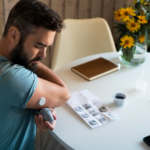
Continuous glucose monitoring tools such as the FreeStyle Libre 2 Plus or the FreeStyle Libre 3 CGM Sensor can make tracking much easier. These devices help you see real-time glucose changes during workouts, helping you adjust intensity or snacks as needed.
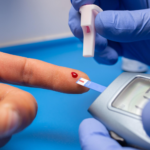
If you’re using a traditional glucometer, check your levels before and after exercise to learn how your body reacts. Over time, you’ll develop a routine that suits your glucose patterns.
Eating Around Exercise
Nutrition plays a key role in how your body responds to activity. Light exercise such as walking usually doesn’t require extra food unless you’re taking insulin or medications that increase hypoglycaemia risk. However, more intense exercise may lower glucose quickly, especially if done on an empty stomach.
A balanced snack before exercise — such as yogurt, fruit, nuts or wholegrain crackers — may help keep your levels stable. After exercise, pairing carbohydrates with protein supports recovery and stabilises glucose. Examples include a banana with peanut butter or a small portion of oats and milk.
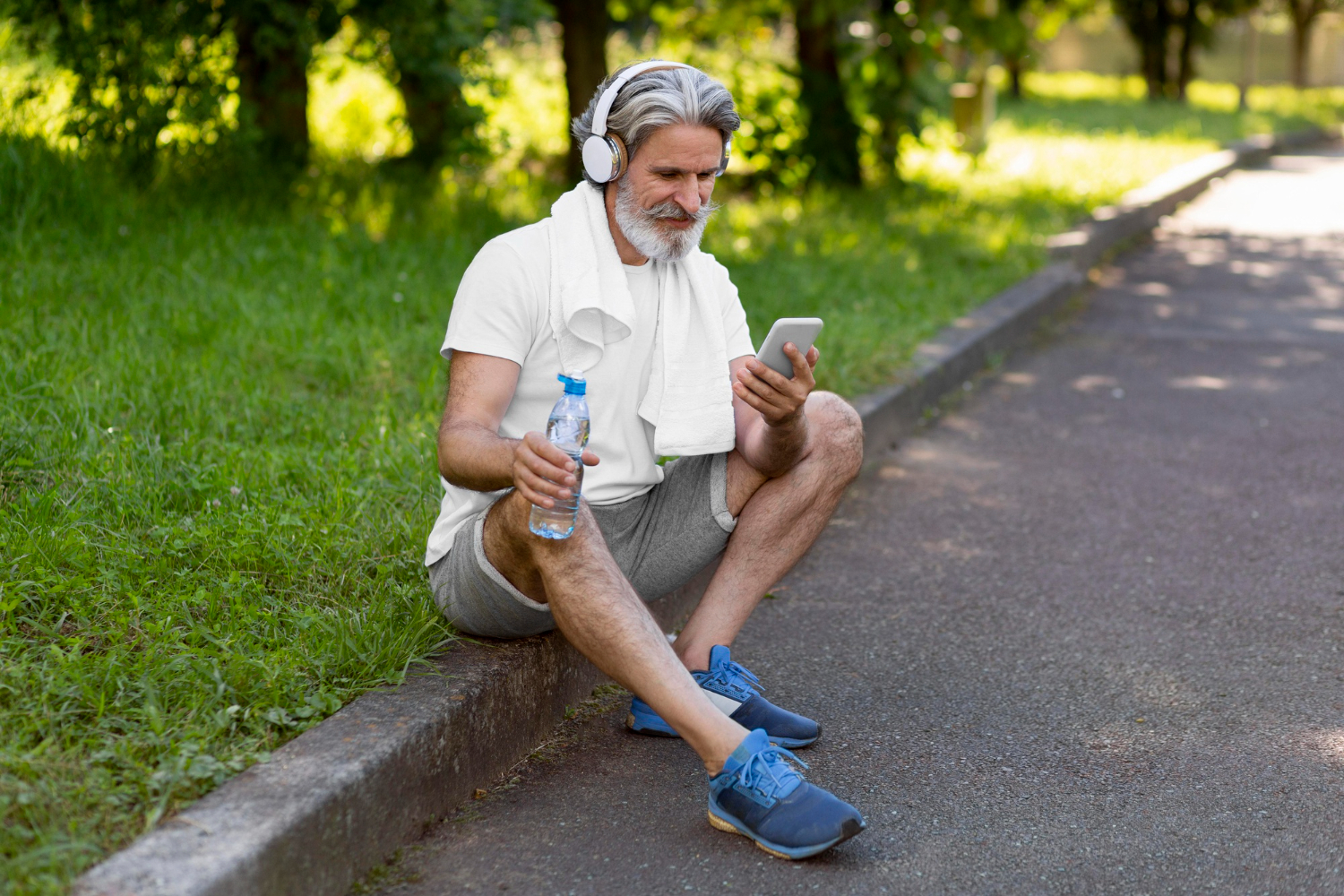
Consistent hydration is also essential. Dehydration can cause rising glucose levels and make exercise feel more difficult. Keep water on hand during walks, sessions or classes.
Building a Safe and Effective Exercise Routine
The most effective exercise plan is one you enjoy and can maintain. Starting gently is important, especially if you haven’t exercised in a while. Begin with activities you feel comfortable with — walking, home workouts, or simple stretches — and gradually increase your duration and intensity.
For people using insulin, learning how activity affects their glucose is essential. Monitoring devices like the FreeStyle Libre 3 CGM Sensor make this easier by showing live trends during workouts. Adjusting insulin doses should always be done with guidance from your healthcare team.
If you have complications such as neuropathy, retinopathy or heart conditions, consult your doctor before beginning a new exercise routine. They can recommend safe options tailored to your health needs.
Diabetes Tools to Support Your Exercise Routine
Reliable tools and supplies make exercise safer and more enjoyable. At Diabetes Pharmacy, we provide access to essential products for blood-glucose management, including a wide range of CGM sensors and diabetes-care supplies in our online shop.
If you want to learn more about our mission and how we support thousands of people across the UK, visit our About Us page. For questions regarding orders, monitoring sensors or medication support, our team is ready to assist through our Contact Us page.
You can also find more helpful guides by exploring our blog section.
Final Thoughts
Exercise is one of the most effective, natural ways to improve blood-sugar control — and it’s never too late to start. Whether you choose walking, strength training, yoga, swimming or a mixture of everything, regular movement helps your body use glucose more efficiently and improves long-term health.
You don’t have to take on intense workouts or commit to complex routines. Small, consistent steps — a few minutes of walking after meals, light stretching, or two days of strength training — can lead to profound improvements over time.
With the right tools from Diabetes Pharmacy and a routine you enjoy, exercise becomes a source of strength, confidence and better health.