Diabetes care is changing faster than ever. Over the past few years, new medications, smarter monitoring technology and more personalized treatment approaches have transformed how people manage diabetes in the UK. As we move through 2025 and into 2026, the focus is no longer just on lowering blood sugar — it’s about improving quality of life, reducing complications and making daily management easier and more flexible.
In this guide, we explore the latest advances in diabetes care, what they mean for people living with diabetes, and how you can benefit from these developments. At Diabetes Pharmacy, we stay up to date with modern diabetes solutions so you can access trusted tools, treatments and information with confidence.
A Shift in How Diabetes Is Managed
Traditionally, diabetes treatment followed a step-by-step approach: lifestyle changes first, then tablets, and insulin only if needed. Today, care is far more personalised. Doctors now consider factors such as weight, heart health, kidney function, lifestyle and glucose patterns before choosing a treatment plan.
Another major change is the move away from focusing only on HbA1c. While HbA1c remains important, healthcare professionals increasingly look at time-in-range, glucose variability and day-to-day patterns. This shift helps people achieve steadier control rather than chasing a single number.
Smarter Medications for Type 2 Diabetes
One of the biggest advances in recent years has been the development of newer diabetes medications that offer benefits beyond glucose control. These treatments are now widely used across the UK and continue to evolve in 2025–26.
Modern medications such as GLP-1 receptor agonists and SGLT2 inhibitors not only help lower blood sugar but also support weight management and protect the heart and kidneys. This is particularly important because cardiovascular disease remains one of the biggest risks for people with diabetes.
These medications work in more targeted ways — for example, by slowing digestion, reducing appetite, improving insulin sensitivity or helping the body remove excess glucose through urine. Because of these benefits, many people are now prescribed these treatments earlier in their diabetes journey rather than as a last step.
Combination therapies are also becoming more common. Instead of increasing doses of a single drug, doctors may combine medications with different actions to achieve better control with fewer side effects.
Advances in Insulin Therapy
Insulin therapy has also improved significantly. Newer insulin formulations are more predictable, longer-lasting and easier to fit into daily life. Ultra-long-acting insulins reduce the risk of night-time lows, while faster-acting mealtime insulins better match how the body processes food.
Delivery methods have improved too. Insulin pens are more accurate and discreet, and smart insulin devices are becoming more common. These tools help reduce dosing errors and support better consistency.
When insulin is combined with modern glucose monitoring, many people find it far easier to maintain stable levels without constant adjustments.
Continuous Glucose Monitoring Becomes the Standard
One of the most important advances in diabetes care is the widespread use of continuous glucose monitoring (CGM). In 2025–26, CGM is no longer considered “advanced” or niche — it is becoming a standard tool for many people with both type 1 and type 2 diabetes.
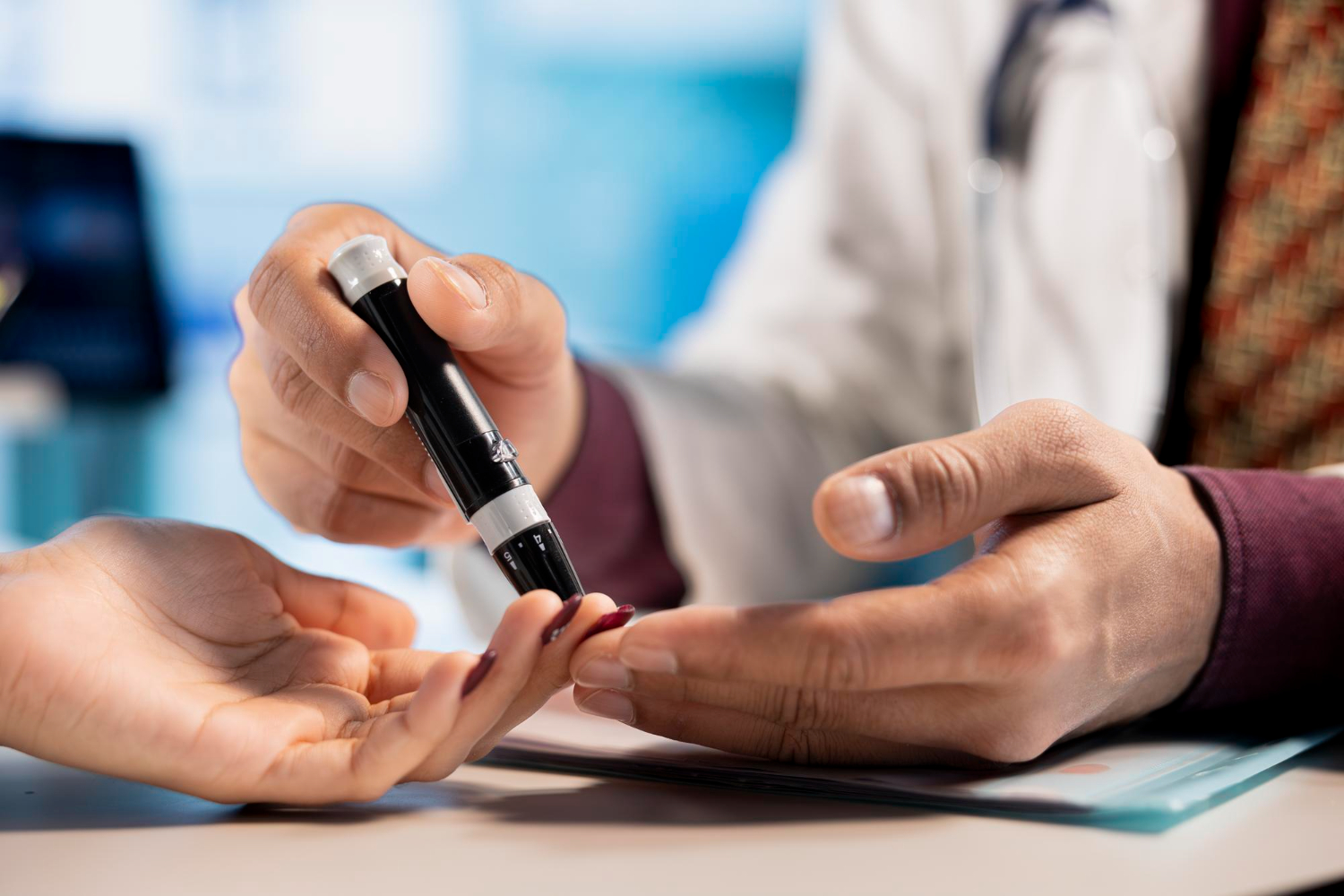
CGM devices measure glucose levels throughout the day and night, providing real-time insights into trends, highs and lows. This allows people to see how meals, exercise, stress, sleep and medication affect their glucose, rather than relying on occasional finger-prick tests.
Devices such as the FreeStyle Libre 2 Plus represent this new generation of monitoring. These sensors are smaller, more accurate and easier to use, with smartphone connectivity that fits seamlessly into daily life.
For many people, CGM reduces anxiety, improves confidence and leads to better long-term outcomes.
Smarter Technology & Digital Integration
Technology is playing a larger role in diabetes care than ever before. Modern CGM systems integrate with mobile apps that track trends, highlight patterns and share data with healthcare teams. This makes reviews more meaningful and personalised.
Digital health tools now allow people to log meals, activity and medication alongside glucose readings. Some apps use artificial intelligence to identify patterns and suggest adjustments, helping users understand what works best for their bodies.
Remote consultations and digital follow-ups have also become more common in the UK. This makes diabetes care more accessible, especially for people with busy schedules or limited mobility.
Personalized & Preventive Diabetes Care
Another key trend in 2025–26 is the move toward personalised diabetes care. Rather than following the same plan for everyone, treatment is increasingly tailored to individual needs.
Doctors now consider whether weight loss is a priority, whether heart or kidney protection is needed, and how lifestyle factors influence glucose. This personalised approach helps people feel more supported and less restricted.
Prevention is also a growing focus. For people with pre-diabetes or early type 2 diabetes, early intervention using lifestyle changes and modern treatments can delay or even prevent progression.
Quality of Life Takes Centre Stage
Modern diabetes care recognises that quality of life matters just as much as numbers. Reducing hypoglycaemia, minimising daily burden and supporting mental well-being are now core goals of treatment.
CGM plays a major role here by reducing fear of unexpected lows and helping people sleep more confidently. New medications reduce the need for complex dosing schedules and support weight and energy levels.
This shift helps people live more freely while still maintaining good glucose control.
Accessing Modern Diabetes Tools in the UK
With so many advances available, having access to reliable products and trusted guidance is essential. At Diabetes Pharmacy, we help people across the UK stay up to date with modern diabetes care.
Through our online shop, you can explore advanced glucose-monitoring tools, including the FreeStyle Libre 2 Plus, along with other essential diabetes supplies.
If you’d like to learn more about our mission and commitment to accessible diabetes care, visit our About Us page. For questions about products, orders or guidance, our team is available via Contact Us. You can also explore more educational articles in our blog section.
Final Thoughts
The future of diabetes care is brighter than ever. Advances in medication, monitoring and technology are making diabetes easier to manage, more personalized and less disruptive to daily life. In 2025–26, the focus is on empowering people with better tools, clearer insights and treatment plans that fit their lives — not the other way around.
By staying informed and using modern solutions, you can take full advantage of these developments and manage diabetes with greater confidence. With support, education and trusted products from Diabetes Pharmacy, you’re well placed to benefit from the latest advances in diabetes care.