
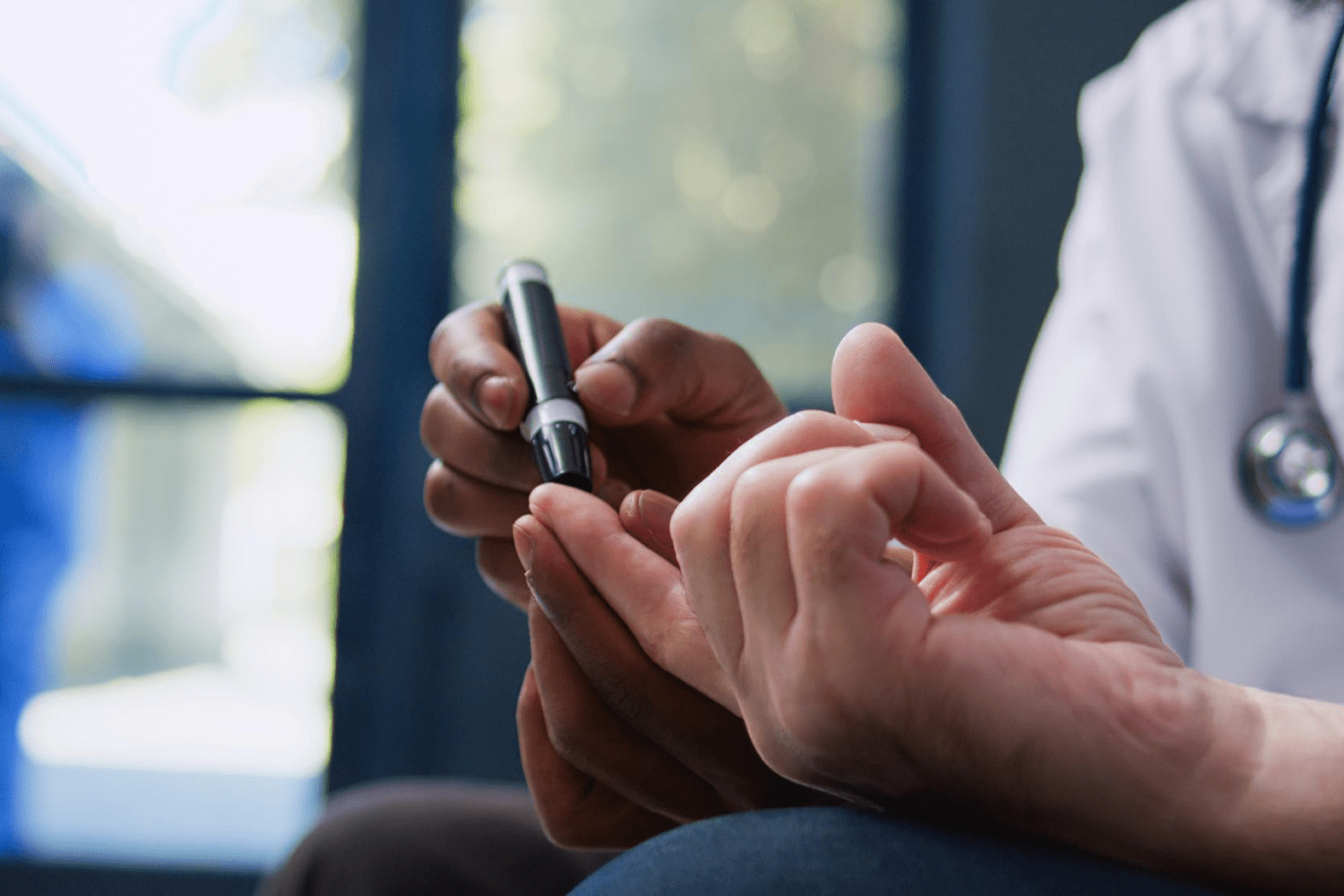
Living with diabetes isn’t just about managing blood sugar numbers — it’s also about managing how you feel. Stress, poor sleep, anxiety, and emotional fatigue are common for people living with diabetes, yet they’re often overlooked in day-to-day care. Over time, mental well-being and physical health become deeply connected, influencing blood-sugar control, motivation, and overall quality of life.
At Diabetes Pharmacy, we believe diabetes care should support both body and mind. This guide explores how stress, sleep, and emotional health affect diabetes — and what practical steps you can take to feel more balanced, confident, and in control.
Why Mental Health Matters in Diabetes Care
Diabetes is a condition that requires daily attention. Monitoring glucose, taking medication, planning meals, staying active — all of this mental load can quietly build stress over time. When stress becomes ongoing, it doesn’t just affect mood; it directly affects blood sugar.
Stress hormones such as cortisol raise glucose levels by prompting the liver to release stored sugar. This means that even when you’re eating well and taking medication correctly, emotional stress alone can push blood sugar higher. Over time, this can lead to frustration, burnout, and a sense of losing control.
Recognising that mental health is part of diabetes care is not a weakness — it’s an essential step toward better long-term management.
Stress & Blood Sugar: Understanding the Connection
Stress can come from many places — work pressure, family responsibilities, health worries, financial concerns, or fear of complications. When the body perceives stress, it enters a “fight-or-flight” response, releasing hormones that raise blood glucose to provide quick energy.
For people with diabetes, this response often causes unexplained glucose spikes. You may notice higher readings during stressful periods even if your diet hasn’t changed. Stress can also affect behaviour, leading to skipped meals, emotional eating, reduced physical activity, or missed monitoring.
Many people find that real-time glucose tracking helps them see this connection clearly. Tools such as the FreeStyle Libre 2 Plus can show how stress affects glucose levels throughout the day, helping you respond earlier and with more confidence.
Sleep & Diabetes: Why Rest Is Essential
Sleep plays a major role in blood-sugar regulation. Poor or irregular sleep reduces insulin sensitivity, meaning your body struggles to use glucose efficiently the next day. Even one or two nights of disrupted sleep can lead to higher blood sugar readings.
People with diabetes may experience sleep difficulties for several reasons. Night-time glucose fluctuations, anxiety about hypoglycaemia, stress, or general discomfort can interrupt rest. Over time, poor sleep can increase fatigue, irritability, cravings for high-sugar foods, and difficulty concentrating — all of which make diabetes harder to manage.
Improving sleep quality doesn’t require perfection. Simple habits such as consistent bedtimes, limiting screen use before sleep, avoiding heavy meals late at night, and keeping the bedroom calm and dark can support better rest. Monitoring overnight glucose trends using CGM can also reduce anxiety by offering reassurance and early alerts.
Emotional Well-being & Diabetes Burnout
Many people experience periods of “diabetes burnout” — feeling emotionally exhausted by constant self-management. This can show up as frustration, guilt, denial, or avoidance. You may feel tired of checking levels, resentful of restrictions, or anxious about long-term complications.
These feelings are common and valid. Diabetes burnout doesn’t mean you’re failing — it means you’ve been carrying a heavy mental load. Ignoring emotional well-being can lead to disengagement from care, skipped medication, or avoidance of monitoring.
Acknowledging emotional fatigue and seeking support — whether through healthcare professionals, trusted family members, or online communities — can make a powerful difference.
Practical Ways to Support Mental Well-being
Managing mental health alongside diabetes is about small, consistent habits rather than major changes. Creating gentle routines helps reduce decision fatigue and stress.
Regular physical activity — even light walking or stretching — supports both mood and glucose control. Movement releases endorphins, reduces stress hormones, and improves sleep quality. Mindful practices such as deep breathing, meditation, or short moments of stillness can calm the nervous system during stressful days.
Eating regular, balanced meals helps stabilise both energy and mood. Skipping meals or relying on quick sugary foods can increase emotional ups and downs. Staying hydrated also plays a role — dehydration can increase fatigue and raise glucose levels.
Most importantly, allow yourself flexibility. Diabetes care doesn’t require perfection. Progress, not control, is the goal.
How Monitoring Can Reduce Anxiety
Uncertainty is one of the biggest sources of anxiety in diabetes. Not knowing whether glucose is rising, falling, or stable can cause constant worry — especially overnight or during stressful situations.
Continuous glucose monitoring helps reduce this mental burden. Devices like the FreeStyle Libre 2 Plus provide real-time insight into glucose trends, allowing you to respond calmly rather than react emotionally. Seeing patterns over time helps you understand your body better, reducing fear and increasing confidence.
Many people report feeling more relaxed and in control once they can see how food, sleep, stress and activity affect their glucose.
Talking to Your Healthcare Team About Mental Health
Mental health is a legitimate part of diabetes care. If stress, anxiety or sleep problems are affecting your routine, it’s important to discuss them openly with your doctor or pharmacist. They can help adjust treatment plans, recommend support services, or suggest monitoring strategies that reduce pressure.
Pharmacists can also provide practical guidance on medication timing, side effects that affect sleep, and tools that support daily confidence. You don’t have to manage everything alone.
How Diabetes Pharmacy Supports Your Well-being
At Diabetes Pharmacy, we understand that diabetes care is about more than prescriptions. That’s why we provide access to trusted monitoring tools, education and ongoing support for people across the UK.
Through our online shop, you can find reliable CGM sensors, glucose-monitoring supplies and essential diabetes products designed to simplify daily care. Tools such as the FreeStyle Libre 2 Plus help reduce uncertainty and support emotional reassurance.
If you’d like to learn more about who we are and our commitment to diabetes support, visit our About Us page. For questions or guidance, our team is available through our Contact Us page. You can also explore more helpful articles in our blog section.
Final Thoughts
Managing diabetes means caring for both your physical health and your emotional well-being. Stress, sleep and mental health are not side issues — they are core parts of effective diabetes care. When these areas are supported, blood-sugar control often improves naturally.
By recognising emotional challenges, building gentle routines, using the right monitoring tools and seeking support when needed, you can create a more balanced, sustainable approach to diabetes management.
With guidance, trusted tools and support from Diabetes Pharmacy, you don’t have to manage diabetes alone — and your mental well-being matters just as much as your numbers.