
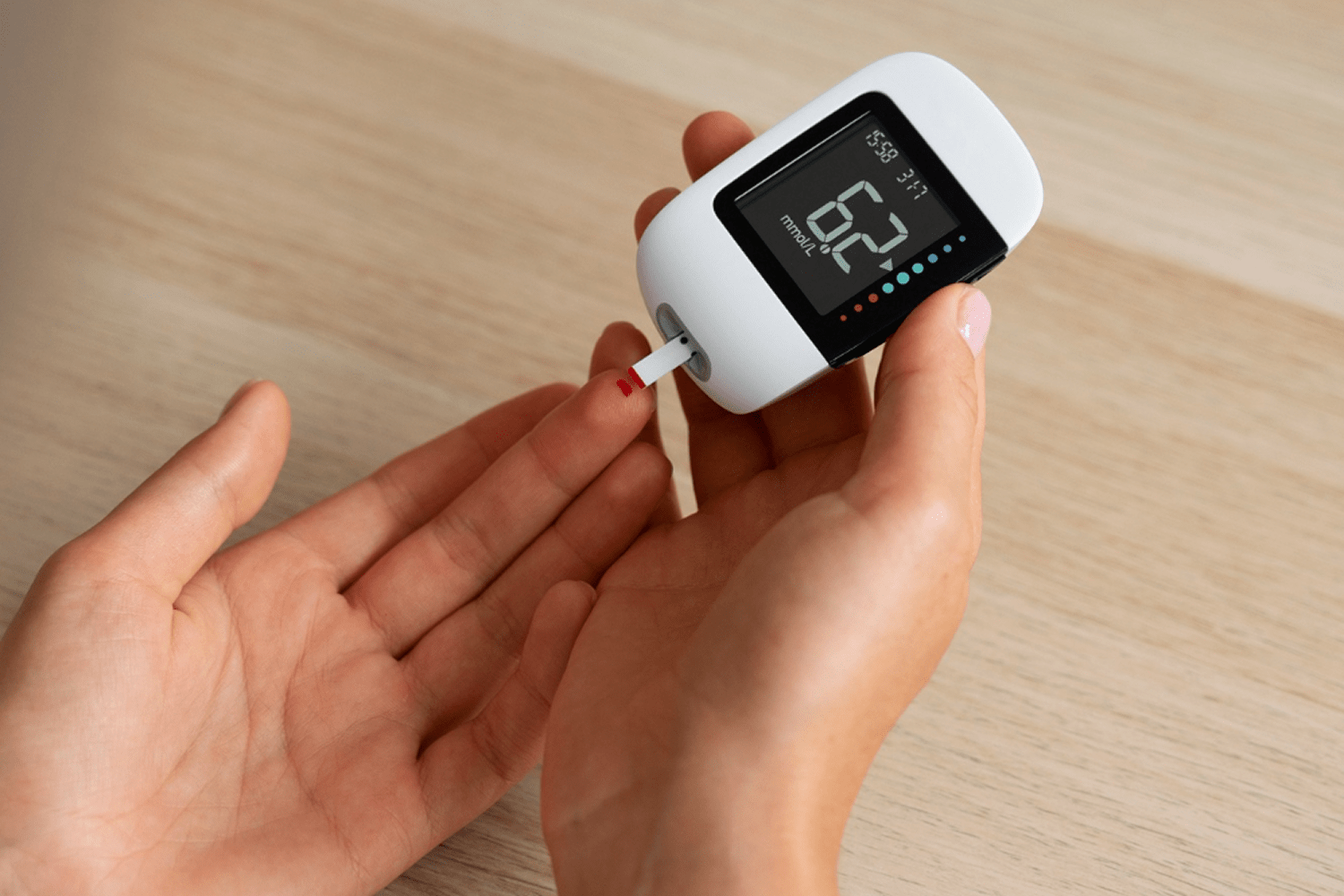
Diabetes is a long-term condition that can change quietly over time. You may feel well, follow your routine, and still experience gradual shifts in blood sugar control or overall health. This is why regular check-ups and ongoing monitoring are such an important part of diabetes care — they help identify changes early, guide treatment decisions, and reduce the risk of long-term complications.
Many people feel unsure about what diabetes reviews involve, which tests are really necessary, or how often monitoring should happen. This guide explains why regular check-ups matter, what tests you can expect, and how monitoring helps you stay one step ahead. At Diabetes Pharmacy, we support people across the UK with reliable monitoring tools, education and practical guidance to make diabetes care clearer and more manageable.
Why Regular Diabetes Check-ups Are So Important
Diabetes doesn’t always cause obvious symptoms when things begin to change. Blood sugar can rise gradually, blood pressure may increase, or early nerve and kidney changes can occur without warning signs. Regular check-ups help detect these changes before they become serious.
Routine reviews also ensure your treatment plan continues to suit your life. As your body, lifestyle, or circumstances change, medication doses, monitoring methods and targets may need adjusting. Regular appointments help keep care preventive rather than reactive, which is key to long-term health.
What “Monitoring” Really Means in Daily Life
Monitoring isn’t just about checking numbers — it’s about understanding patterns. Daily monitoring helps you see how food, activity, stress, sleep and medication affect your blood sugar, allowing you to make informed adjustments.
Some people monitor using finger-prick testing with test strips, while others use continuous glucose monitoring (CGM). Traditional testing remains useful for confirmation checks and specific situations, using reliable options such as Accu-Chek Performa test strips, Accu-Chek Active glucose test strips, Contour Plus glucose strips or AgaMatrix WaveSense Jazz test strips.
CGM systems offer continuous insight throughout the day and night. Tools such as the FreeStyle Libre 2 Plus, FreeStyle Libre 3 CGM Sensor and Dexcom ONE+ Sensor allow you to see trends rather than isolated readings, which many people find reassuring and empowering.
In modern diabetes care, monitoring methods are often combined to suit individual needs rather than replacing one another.
Key Diabetes Tests & What They Show
During routine check-ups, healthcare professionals look beyond daily glucose readings. Each test provides a different piece of the overall picture.
The HbA1c test shows your average blood sugar over the past two to three months. It helps identify long-term trends rather than daily ups and downs. Blood pressure checks are equally important, as high blood pressure increases the risk of heart disease and kidney problems.
Cholesterol tests help assess cardiovascular risk, which is higher in people with diabetes. Kidney function tests — usually blood and urine tests — detect early signs of kidney strain before symptoms appear. Annual eye screening checks for changes in the blood vessels at the back of the eye, while foot checks help identify nerve damage or circulation issues that could lead to ulcers or infections.
Each test plays a role in preventing complications rather than simply responding to them.
How Often Should Diabetes Tests & Reviews Happen?
Monitoring frequency varies depending on treatment, lifestyle and individual risk factors. Daily or frequent glucose monitoring is common for people using insulin or medications that affect blood sugar more strongly. Others may monitor less often but still benefit from regular checks.
Formal diabetes reviews typically happen every three to six months, especially if medication adjustments are needed. Annual reviews usually include eye screening, kidney checks, cholesterol tests and foot examinations.
Your healthcare team will tailor the schedule to your needs. The goal isn’t to increase appointments unnecessarily, but to ensure changes are identified early and managed safely.
What to Expect at a Diabetes Review
Many people feel uncertain before diabetes appointments. Knowing what to expect can reduce anxiety and help you make the most of the time.
During a review, your healthcare professional may look at glucose readings or CGM data, discuss medication effectiveness, review recent test results and ask about your daily routine. This is also your opportunity to talk about challenges such as stress, sleep, exercise, travel or side effects.
Asking questions is encouraged. If you’re unsure how to prepare, our guide on how to work with your doctor and pharmacist explains how to communicate confidently and ensure your concerns are addressed.
How Monitoring Helps Prevent Long-Term Complications
Regular monitoring and check-ups help prevent complications by catching issues early. Patterns in glucose data may highlight rising levels before HbA1c increases. Blood pressure or kidney changes can be addressed before permanent damage occurs.
Monitoring also supports day-to-day confidence. Understanding how your body responds to food, activity and stress reduces guesswork and helps you make proactive choices rather than reacting after problems arise.
Over time, this approach lowers the risk of heart disease, nerve damage, eye problems and kidney disease — improving both health and quality of life.
Monitoring & Treatment Go Hand in Hand
Monitoring works best when paired with the right treatment tools. For people using insulin, comfortable and precise delivery matters. Products such as BD Micro-Fine U-100 insulin syringes are designed to improve accuracy and reduce discomfort, making daily routines easier to maintain.
Whether you use insulin, tablets, CGM or test strips, consistency and confidence are key to effective monitoring.
Monitoring for Mental Reassurance
Uncertainty can be stressful. Many people worry about overnight lows, unexpected spikes or whether they’re “doing enough.” Monitoring helps reduce this mental load by replacing worry with information.
CGM systems, in particular, offer reassurance by showing trends rather than isolated numbers. This can reduce anxiety, improve sleep confidence and help people feel more in control of their condition.
Accessing Monitoring Tools in the UK
Having access to reliable monitoring tools makes regular care easier. At Diabetes Pharmacy, we help people across the UK find trusted solutions that suit their lifestyle and treatment plan.
Through our online shop, you can access CGM sensors, test strips, insulin supplies and essential diabetes products in one place. To learn more about our mission and commitment to accessible diabetes care, visit our About Us page. If you need guidance or have questions, our team is available via Contact Us. You can also explore more educational resources in our blog section.
Final Thoughts
Regular check-ups and monitoring are not about finding fault — they’re about protecting your future health. By understanding what tests are for, how often they’re needed, and how monitoring supports daily decisions, you can approach diabetes care with greater confidence and clarity.
With consistent reviews, the right monitoring tools, and support from Diabetes Pharmacy, diabetes management becomes proactive, personalized and far less overwhelming. Prevention, awareness and early action are the foundations of long-term wellbeing.